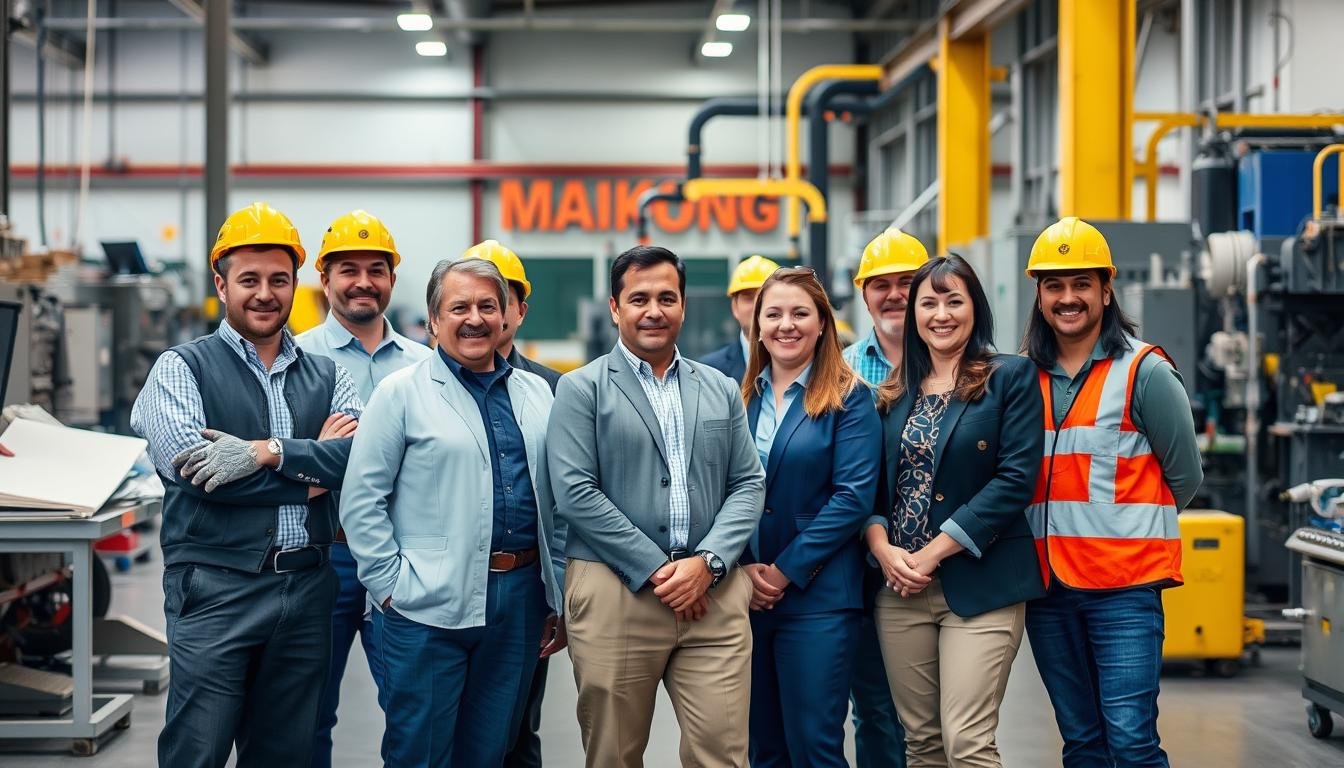
Steel forging stands as one of manufacturing’s most fundamental and reliable metal forming processes. Dating back thousands of years yet continuously evolving with modern technology, forging creates metal components with superior strength, durability, and structural integrity. This comprehensive guide explores the various techniques in steel forging, their applications, and how MAIKONG’s expertise can help you achieve optimal performance in your custom metal components.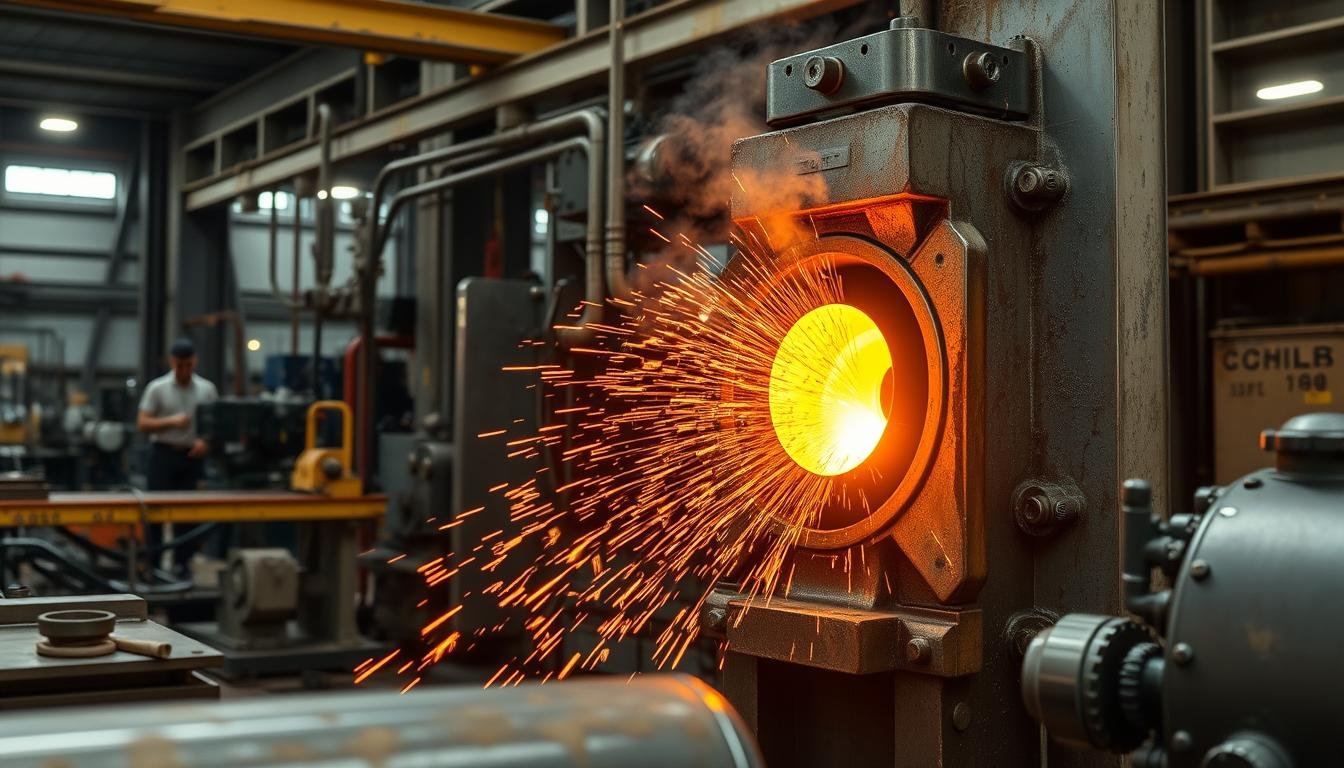
Understanding Steel Forging: Fundamentals and Benefits
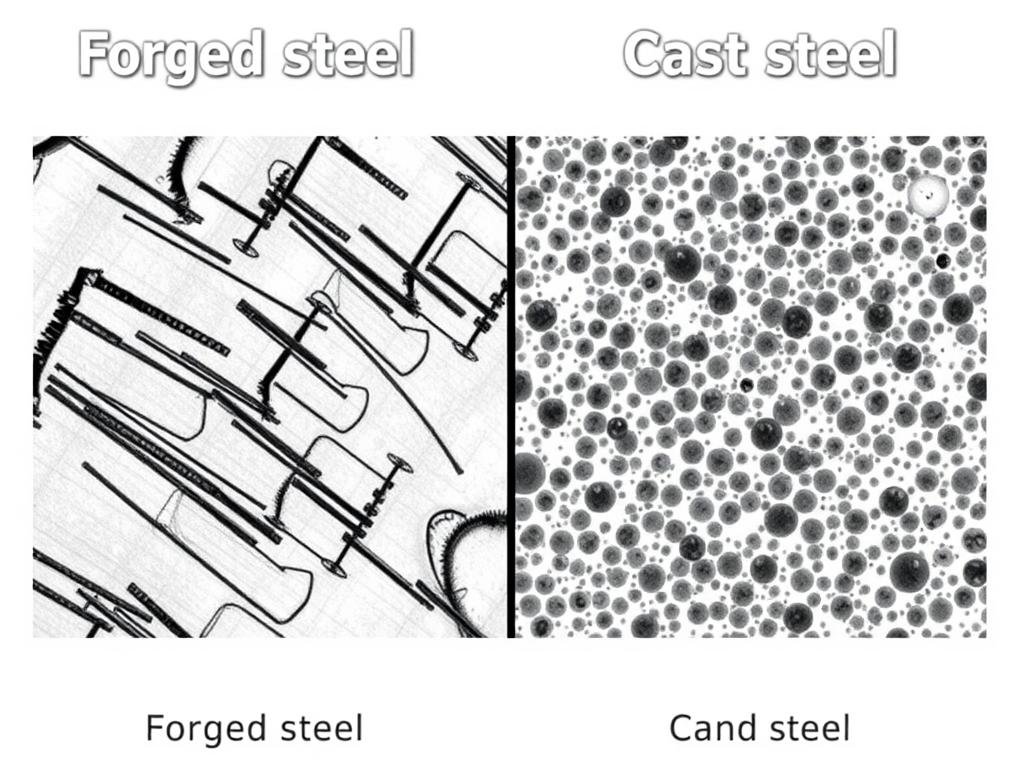
At its core, steel forging involves shaping metal through compressive forces, typically using hammers, presses, or specialized machinery. Unlike casting, which melts metal completely, forging works with solid or semi-solid metal, deforming it into desired shapes while preserving and enhancing its internal grain structure.
Advantages of Steel Forging
- Superior strength and durability compared to cast or machined parts
- Enhanced structural integrity with refined grain structure
- Improved resistance to impact, fatigue, and wear
- Greater reliability in high-stress applications
- Excellent strength-to-weight ratio
- Reduced internal defects and porosity
Limitations to Consider
- Higher tooling costs for complex geometries
- Size limitations compared to casting
- May require secondary machining for precise tolerances
- Higher energy consumption than some other processes
- Limited complexity for certain part geometries
The forging process fundamentally alters the metal’s microstructure, aligning the grain flow with the part geometry. This directional grain structure significantly enhances mechanical properties, making forged components ideal for applications where reliability and strength are critical.
Primary Steel Forging Techniques
The world of steel forging encompasses several distinct techniques, each with specific advantages and applications. Understanding these methods helps in selecting the optimal approach for your custom metal components.
Open Die Forging
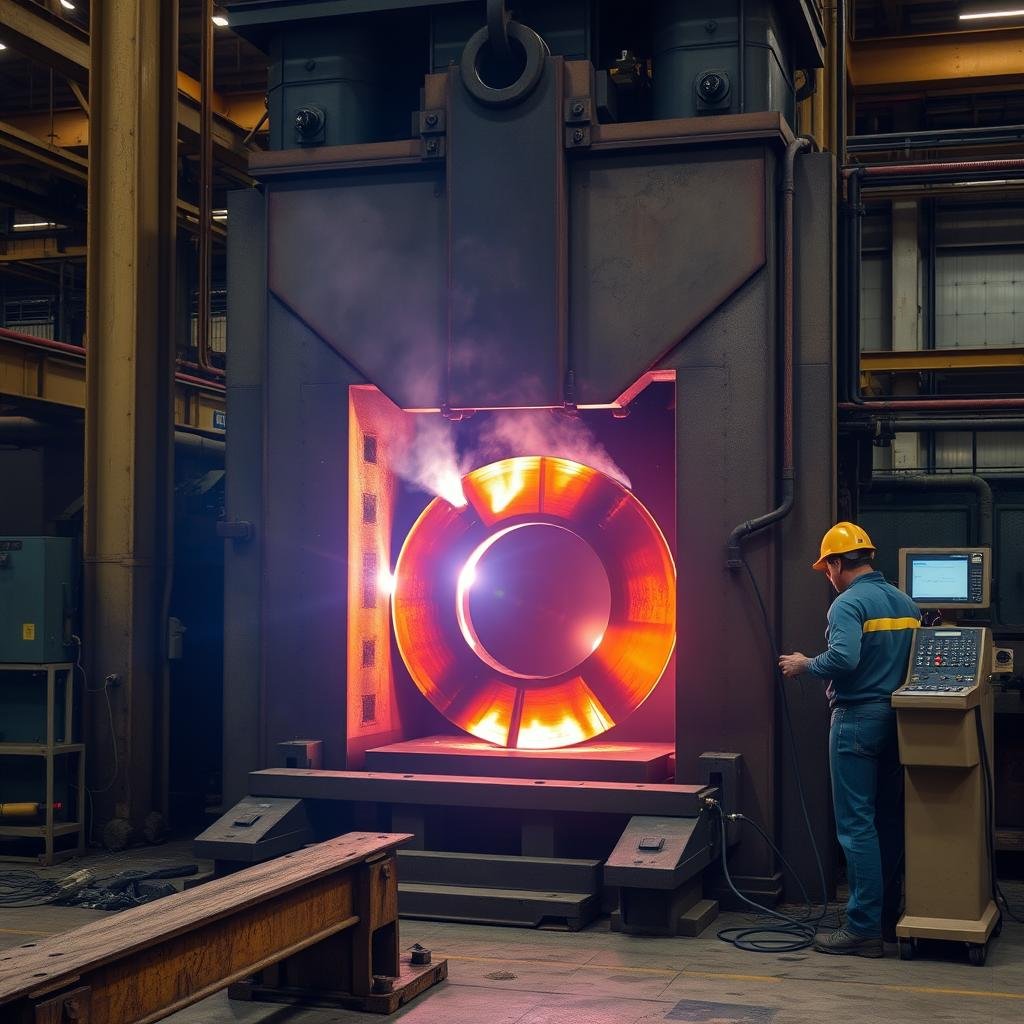
In open die forging, metal is shaped between flat or simply contoured dies that don’t completely enclose the workpiece. The metal flows freely except where contacted by the dies, requiring skilled operators to manipulate the workpiece between strikes. This technique is ideal for large or simple components and custom, low-volume production.
- Suitable for large components (up to several tons)
- Lower tooling costs than closed die forging
- Excellent for custom, low-volume production
- Typically requires more finishing operations
Closed Die Forging
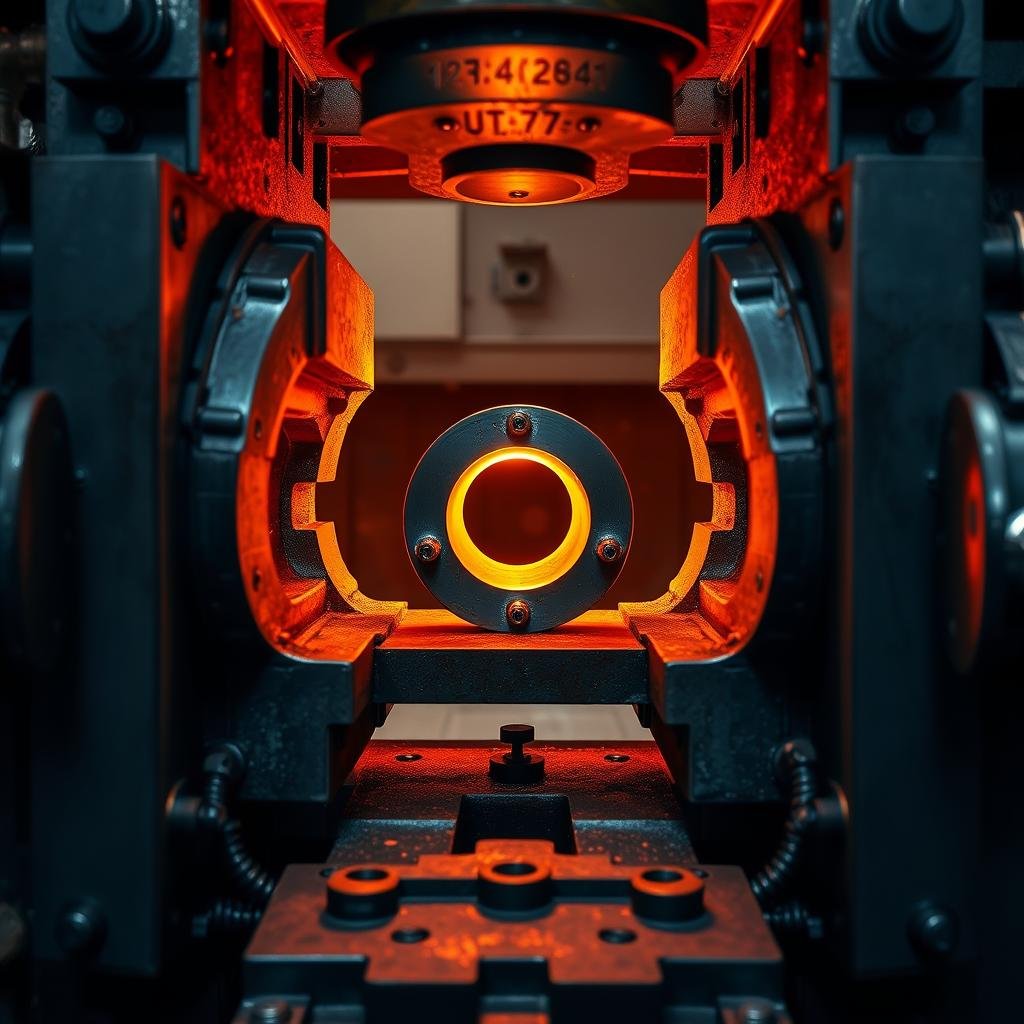
Also known as impression die forging, this technique shapes metal between two dies containing the negative impression of the desired part. The metal is deformed to fill the die cavities completely, creating complex shapes with excellent dimensional control. This method is ideal for medium to high-volume production of complex parts.
- Creates complex geometries with good dimensional accuracy
- Excellent for medium to high-volume production
- Superior grain flow and mechanical properties
- Higher tooling costs but lower per-part costs at volume
Rolled Ring Forging
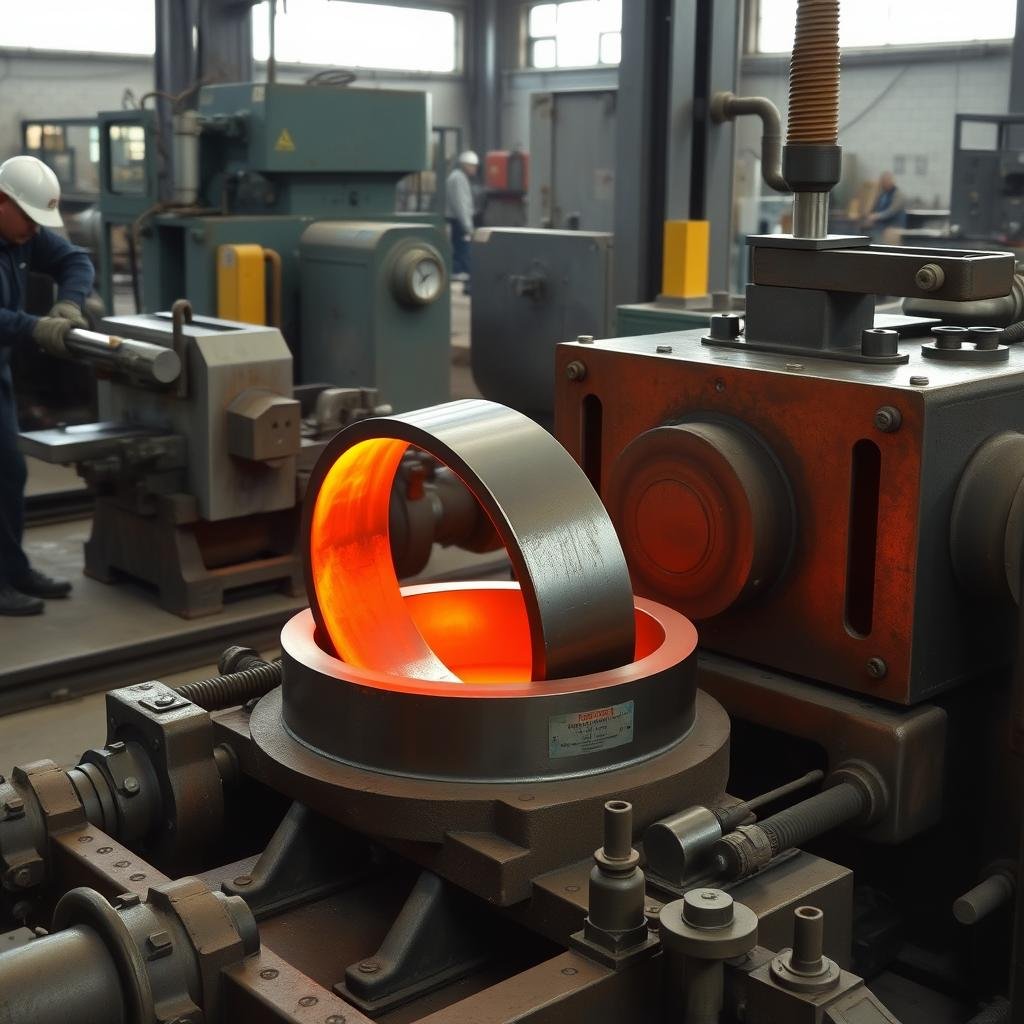
This specialized technique creates seamless rings by punching a hole in a round metal billet and then rolling and shaping it until the desired dimensions are achieved. The process produces rings with excellent grain structure and is ideal for components like bearings, flanges, and gears.
- Creates seamless rings with excellent structural integrity
- Diameters from a few inches to several feet
- Ideal for bearings, gears, and aerospace components
- Superior mechanical properties in all directions
Need Custom Steel Forging Solutions?
MAIKONG specializes in precision forging techniques for optimal component performance. Our engineering team can help determine the best forging method for your specific application.
Discuss Your Project
Contact via WhatsApp
Steel Forging Processes by Temperature
Temperature plays a crucial role in the forging process, affecting metal plasticity, final quality, and mechanical properties. Different temperature ranges offer distinct advantages for various applications.
| Forging Type |
Temperature Range |
Key Characteristics |
Ideal Applications |
Advantages |
| Hot Forging |
Above recrystallization (typically 1150-2350°F) |
High metal plasticity, refined grain structure |
Complex geometries, large components |
Lower force requirements, improved ductility, uniform properties |
| Warm Forging |
Above recovery but below recrystallization (typically 750-1800°F) |
Moderate plasticity, reduced scaling |
Parts requiring balance of precision and strength |
Better precision than hot forging, less energy than cold forging |
| Cold Forging |
Room temperature to few hundred degrees |
High precision, work hardening, excellent surface finish |
Small to medium parts requiring tight tolerances |
Excellent dimensional accuracy, superior surface finish, no scaling |
Hot Steel Forging
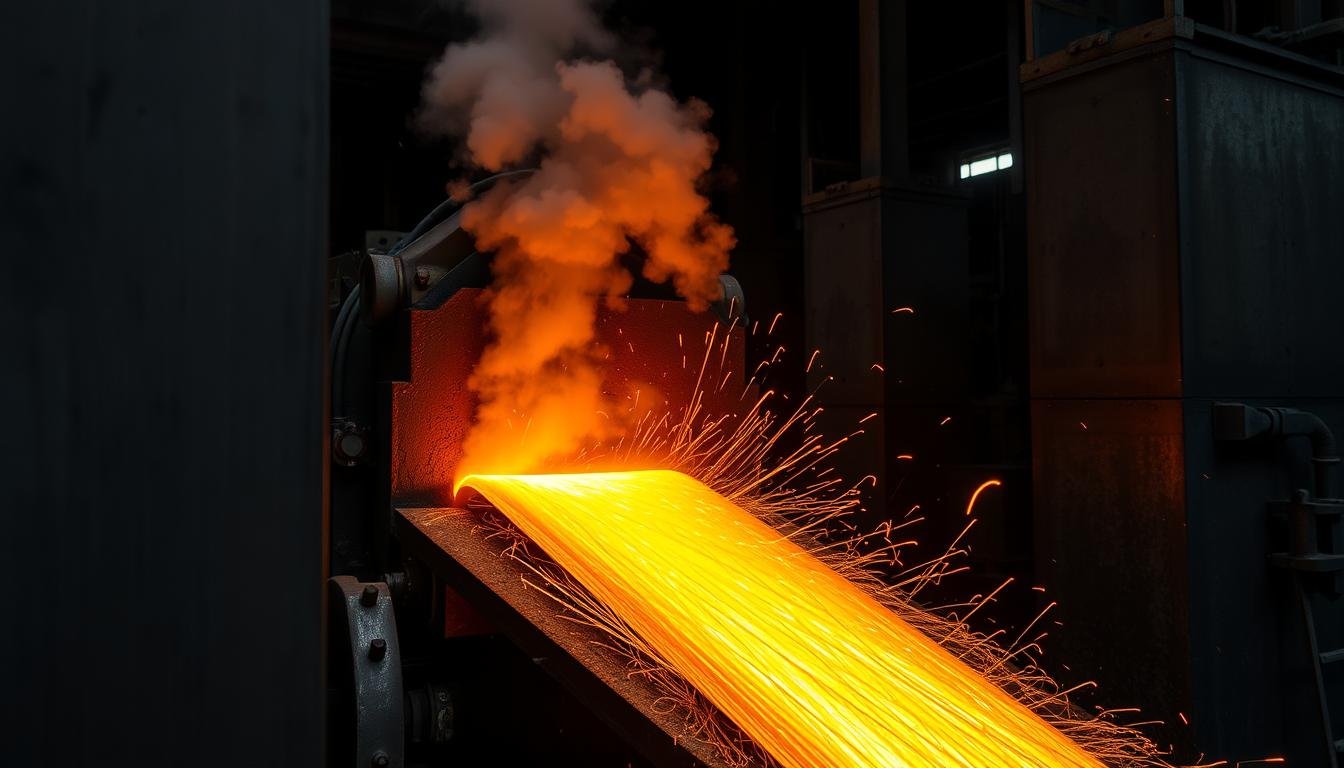
Hot forging occurs at temperatures above the metal’s recrystallization point, typically between 1150-2350°F for steel. At these temperatures, steel becomes highly plastic and requires less force to deform. The process creates a refined, uniform grain structure that enhances strength and ductility.
Warm Steel Forging
Performed at temperatures between recovery and recrystallization (typically 750-1800°F for steel), warm forging offers a balance between the benefits of hot and cold forging. It requires moderate force while achieving better dimensional accuracy than hot forging and less energy consumption than cold forging.
Cold Steel Forging
Cold forging shapes metal at room temperature or slightly elevated temperatures (below 750°F). This process creates parts with excellent dimensional accuracy and surface finish but requires significantly more force than hot forging. Cold forging also induces work hardening, which can enhance strength but may require annealing to prevent cracking.
Equipment Used in Steel Forging
The equipment used in forging significantly impacts the quality, capabilities, and economics of the process. Modern forging operations utilize various specialized machinery to achieve optimal results.
Forging Presses
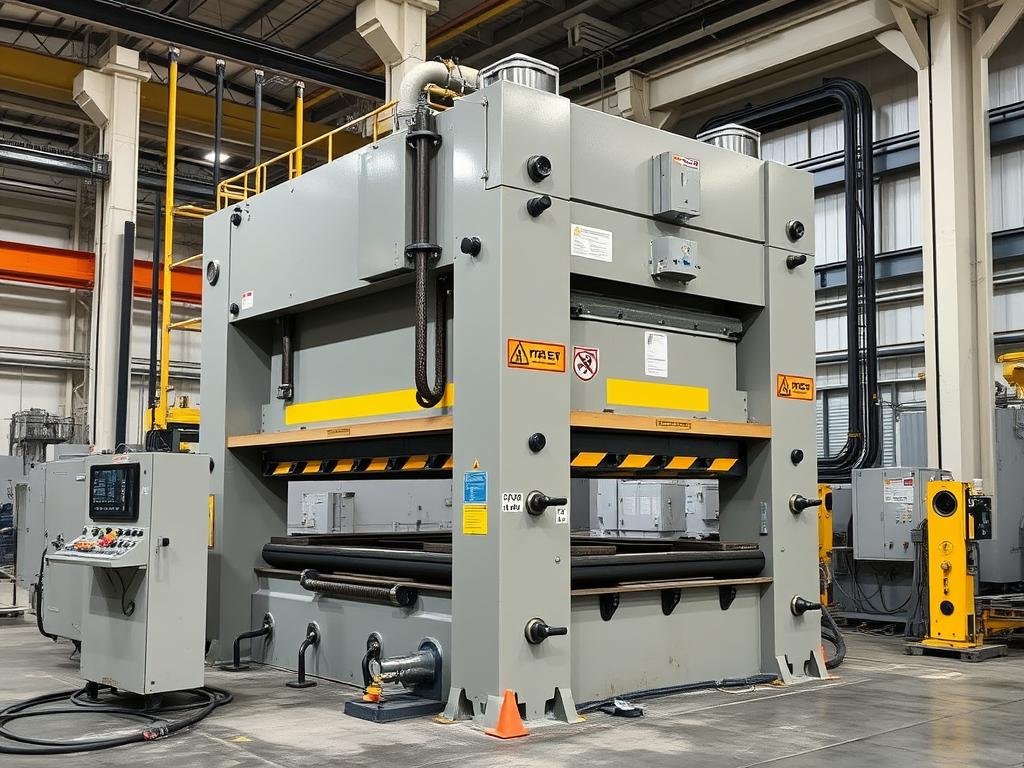
Presses apply controlled deformation through high pressure, with several types available:
- Mechanical Presses: Use a motor connected to a crankshaft, offering high production rates but limited stroke length
- Hydraulic Presses: Utilize hydraulic fluid pressure, providing full force throughout the stroke with excellent control
- Screw Presses: Drive a ram up or down on a screw shaft, combining aspects of both hammers and presses
Forging Hammers
Hammers deliver impact energy to shape metal through repeated blows:
- Drop Hammers: Use gravity or power assistance to drop a heavy weight onto the workpiece
- Counterblow Hammers: Feature two rams moving in opposite directions, ideal for large parts
- Air-lift Hammers: Use air cylinders to raise the ram, allowing controlled velocity for each blow
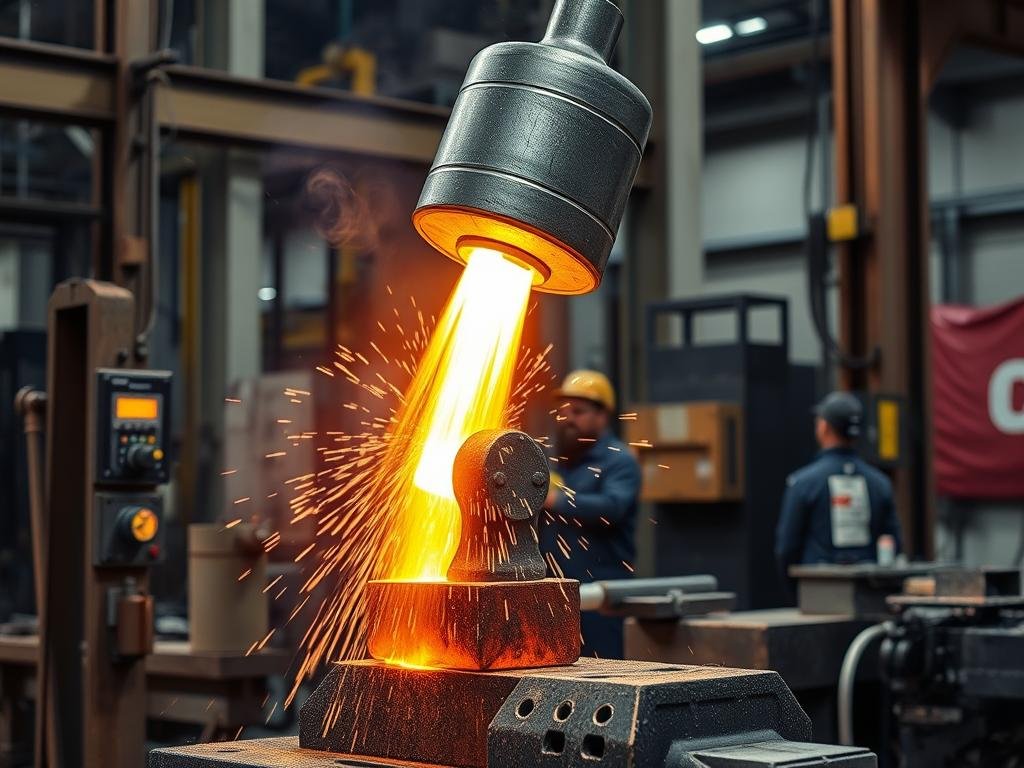
Specialized Steel Forging Equipment
Beyond basic presses and hammers, modern forging operations utilize specialized equipment:
Ring Rolling Mills
Specialized equipment for producing seamless rings through controlled deformation between rollers. MAIKONG’s advanced ring rolling capabilities enable the production of precision components for various industries.
Heating Equipment
Precision-controlled furnaces maintain optimal forging temperatures. Our state-of-the-art induction and gas furnaces ensure uniform heating for consistent material properties.
Handling & Automation
Modern manipulators and robotic systems enhance precision and safety. MAIKONG’s automated handling systems ensure consistent quality while improving production efficiency.
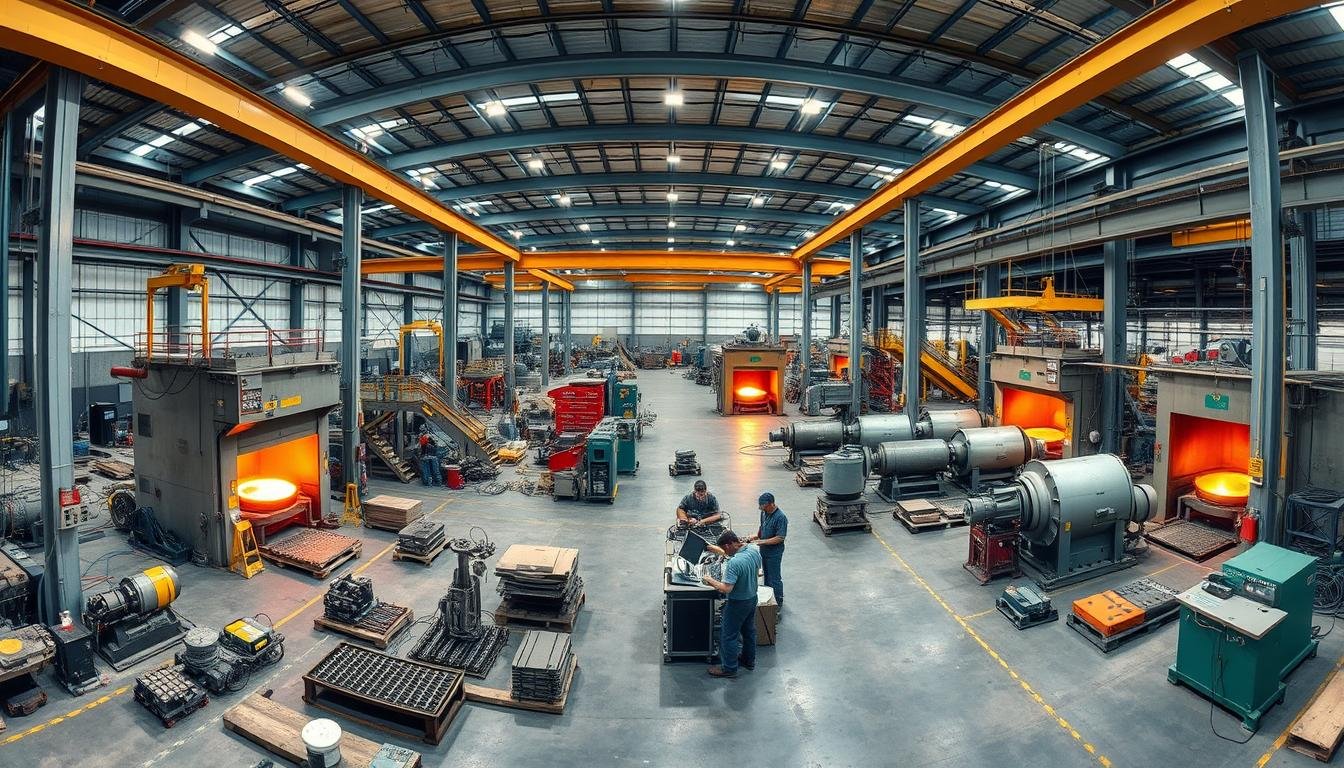
Steel Forging vs. Alternative Manufacturing Methods
Understanding how forging compares to other manufacturing processes helps in selecting the optimal approach for your specific requirements.
Steel Forging
- Superior strength due to refined grain structure
- Excellent resistance to impact and fatigue
- Enhanced mechanical properties in high-stress directions
- Reduced internal defects and porosity
- Ideal for safety-critical components
- Higher tooling costs but superior performance
Casting
- Can create more complex geometries
- Lower tooling costs for prototypes
- Suitable for larger components
- Potential for internal porosity and defects
- Random grain structure with lower strength
- Less suitable for high-stress applications
CNC Machining
- Excellent dimensional accuracy
- Low tooling costs for small volumes
- Suitable for complex geometries
- Higher material waste through subtractive process
- No grain flow optimization for strength
- Higher per-part costs at volume production
While each manufacturing method has its place, steel forging remains the preferred choice for components where performance, reliability, and strength are paramount. At MAIKONG, we offer comprehensive manufacturing capabilities including forging, CNC machining, and finishing services to provide the optimal solution for your specific requirements.
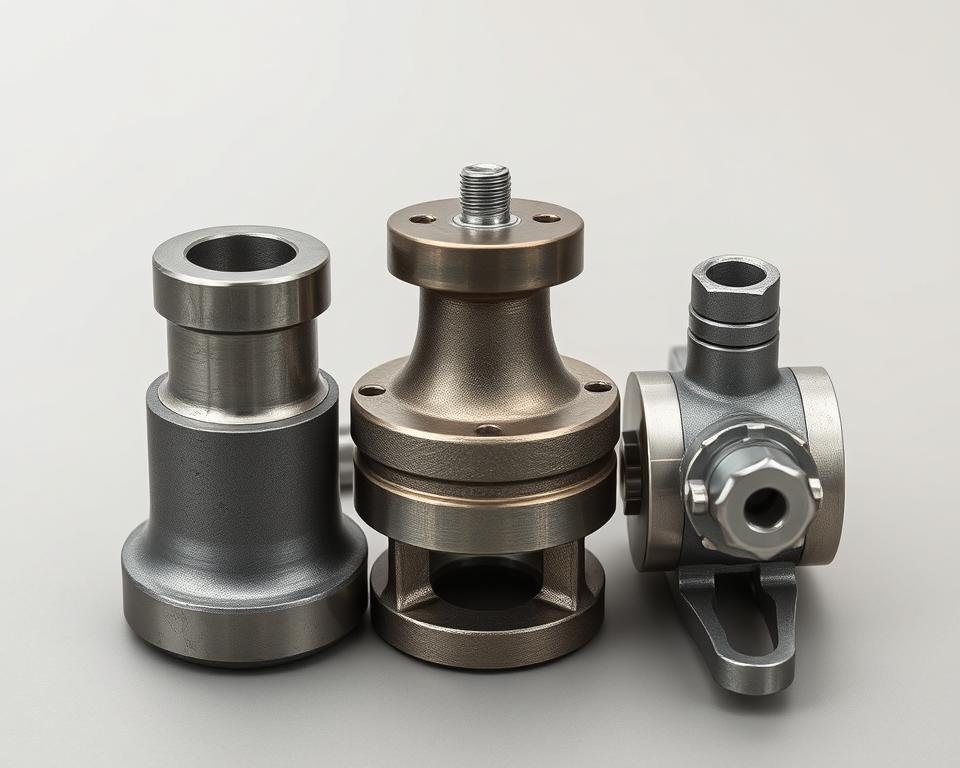
Not Sure Which Manufacturing Method Is Right for Your Project?
Our engineering team can help evaluate your requirements and recommend the optimal manufacturing approach. Contact us for a free consultation and quote.
Email Our Engineering Team
Request a Quote
MAIKONG’s Steel Forging Capabilities
At MAIKONG, we offer comprehensive steel forging solutions backed by decades of experience and state-of-the-art equipment. Our integrated manufacturing approach ensures quality, consistency, and cost-effectiveness for your custom metal components.
Forging Expertise
- Hot, warm, and cold forging capabilities
- Open die, closed die, and rolled ring processes
- Precision forging for complex geometries
- Components from ounces to 100+ pounds
- Various steel grades and alloys
Integrated Services
- In-house design and engineering support
- Tooling design and manufacturing
- Heat treatment and surface finishing
- CNC machining for secondary operations
- Quality testing and certification
Quality Assurance
- ISO 9001:2015 certified processes
- Comprehensive material testing
- Advanced inspection equipment
- Full documentation and traceability
- Stringent quality control protocols
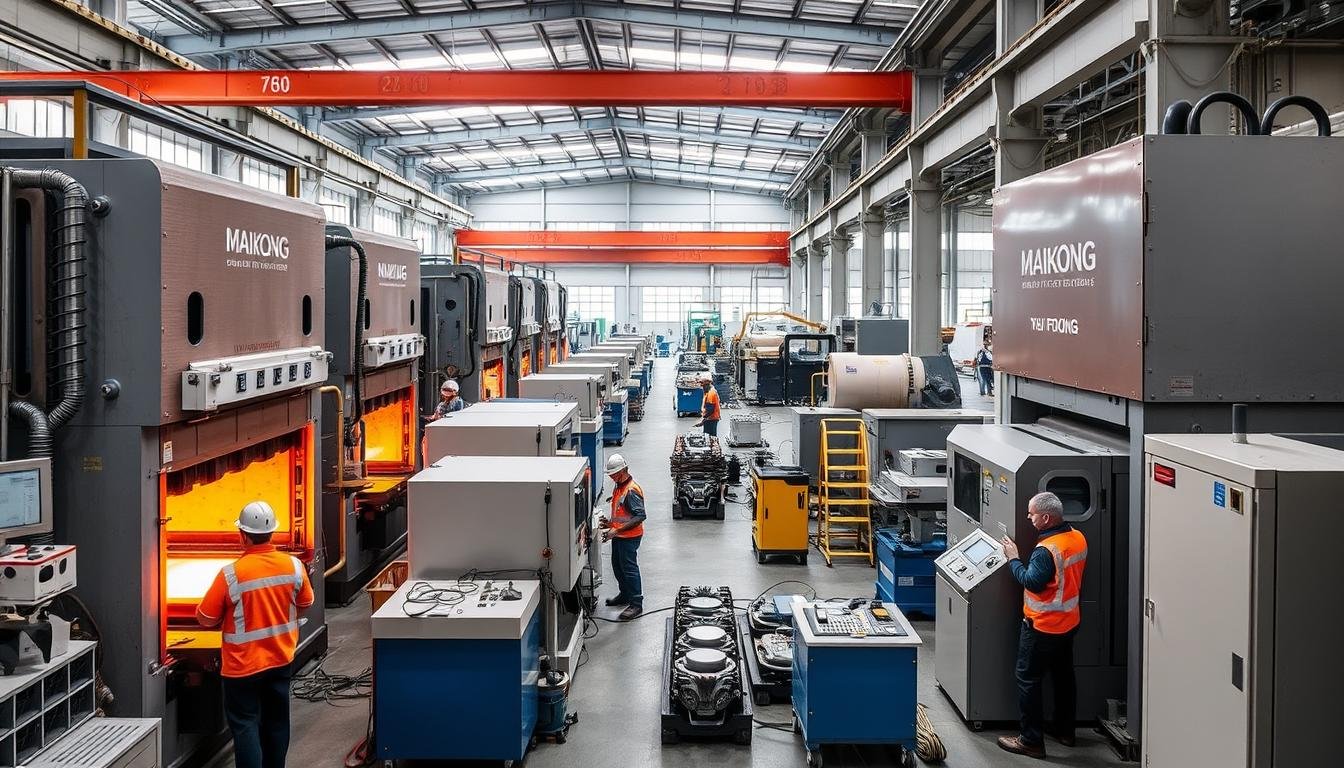
Industries We Serve
Our steel forging solutions support critical applications across numerous industries:
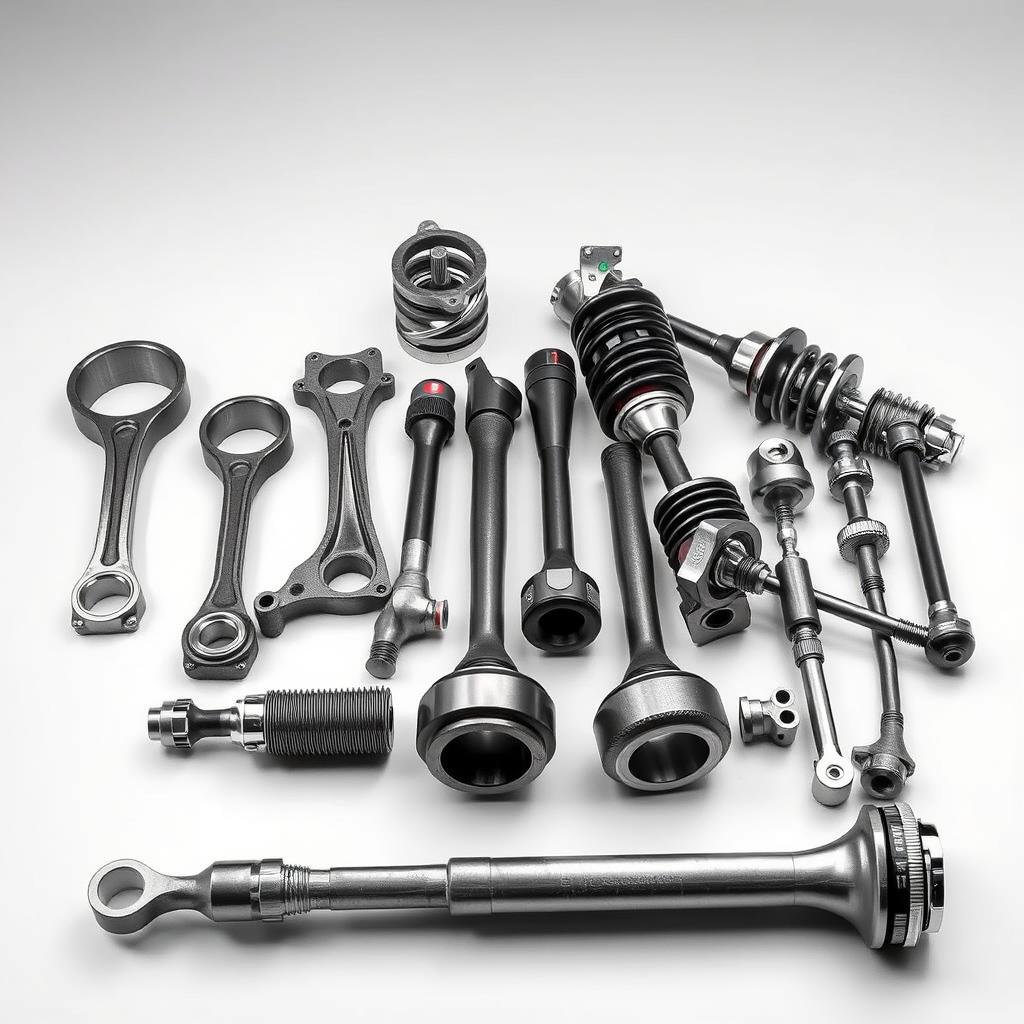 Automotive
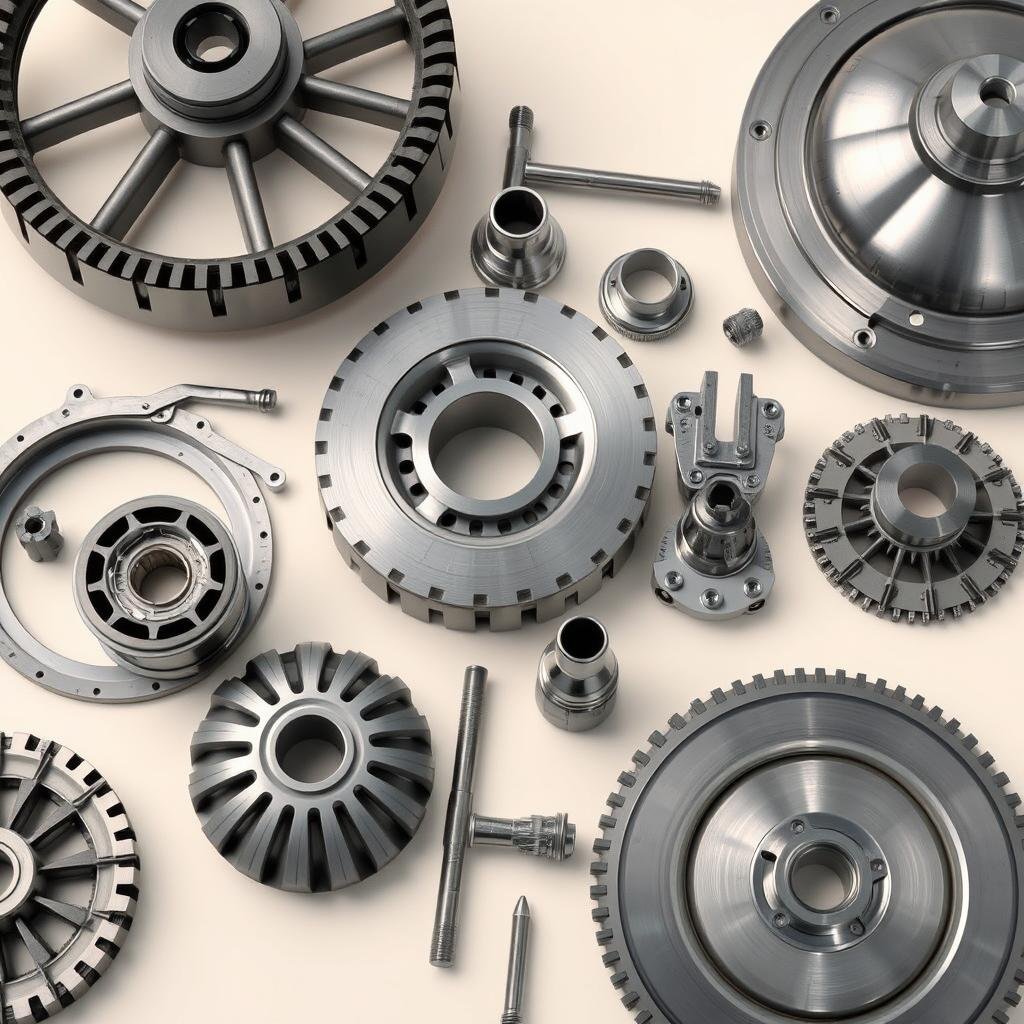 Aerospace
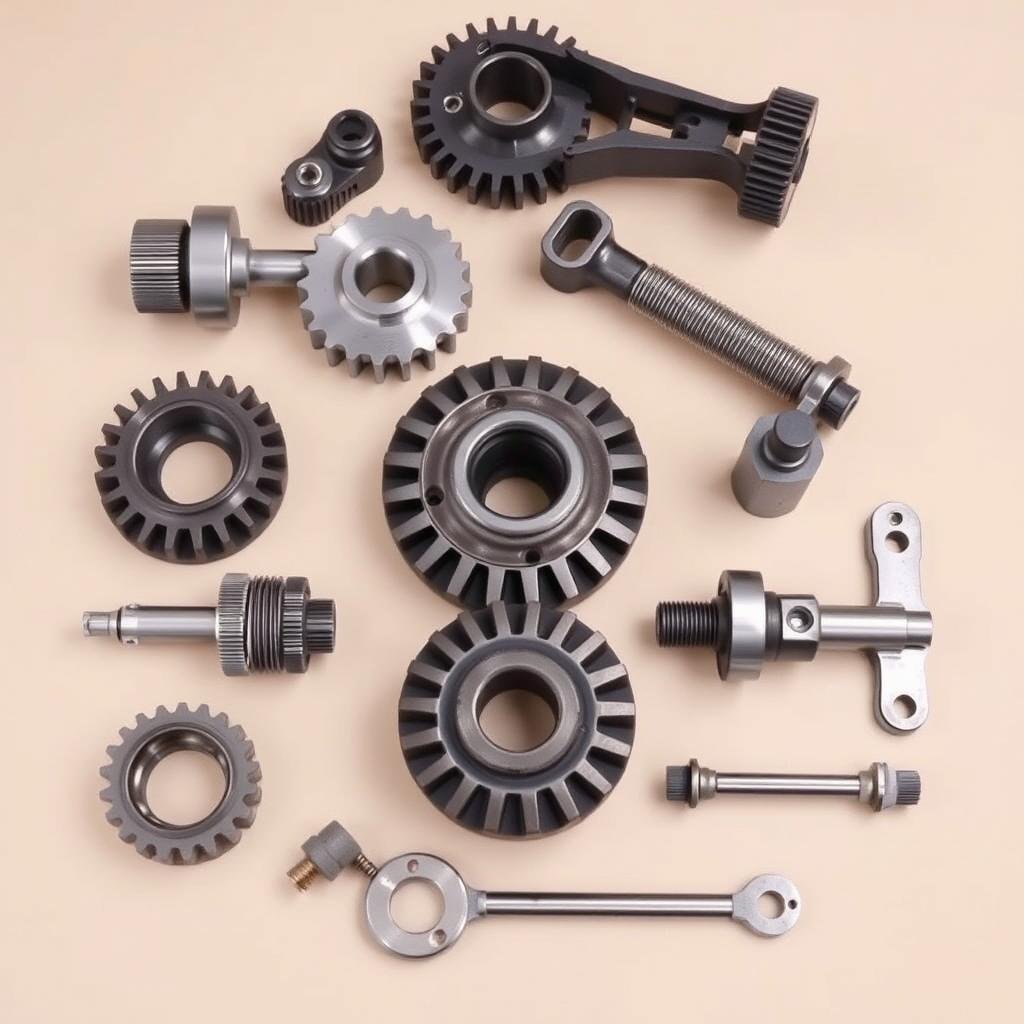 Agricultural
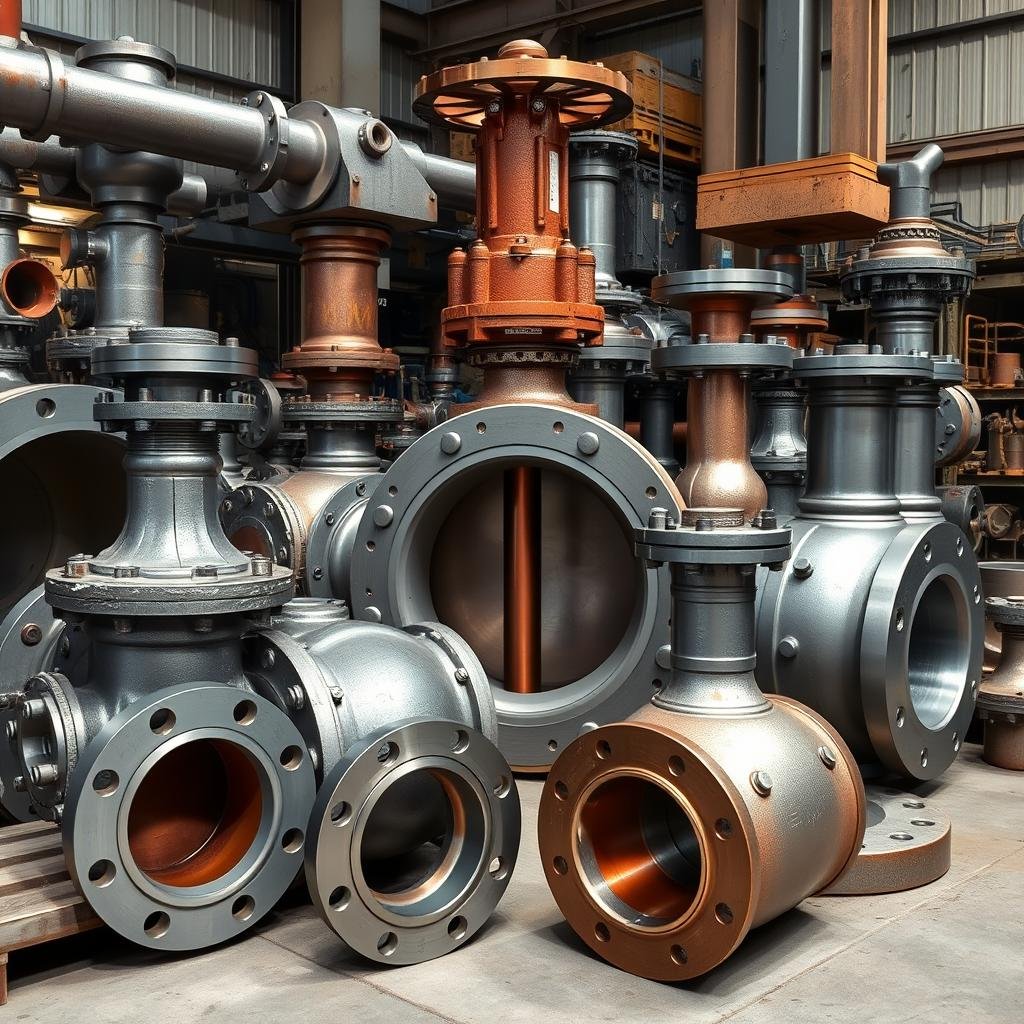 Energy