Top aluminum forge,steel forging,billet machining for USA
About Us| Contact Us

What is Forged Aluminum? The Complete Guide to Superior Metal Performance
December 4, 2025
What is Forged Aluminum?
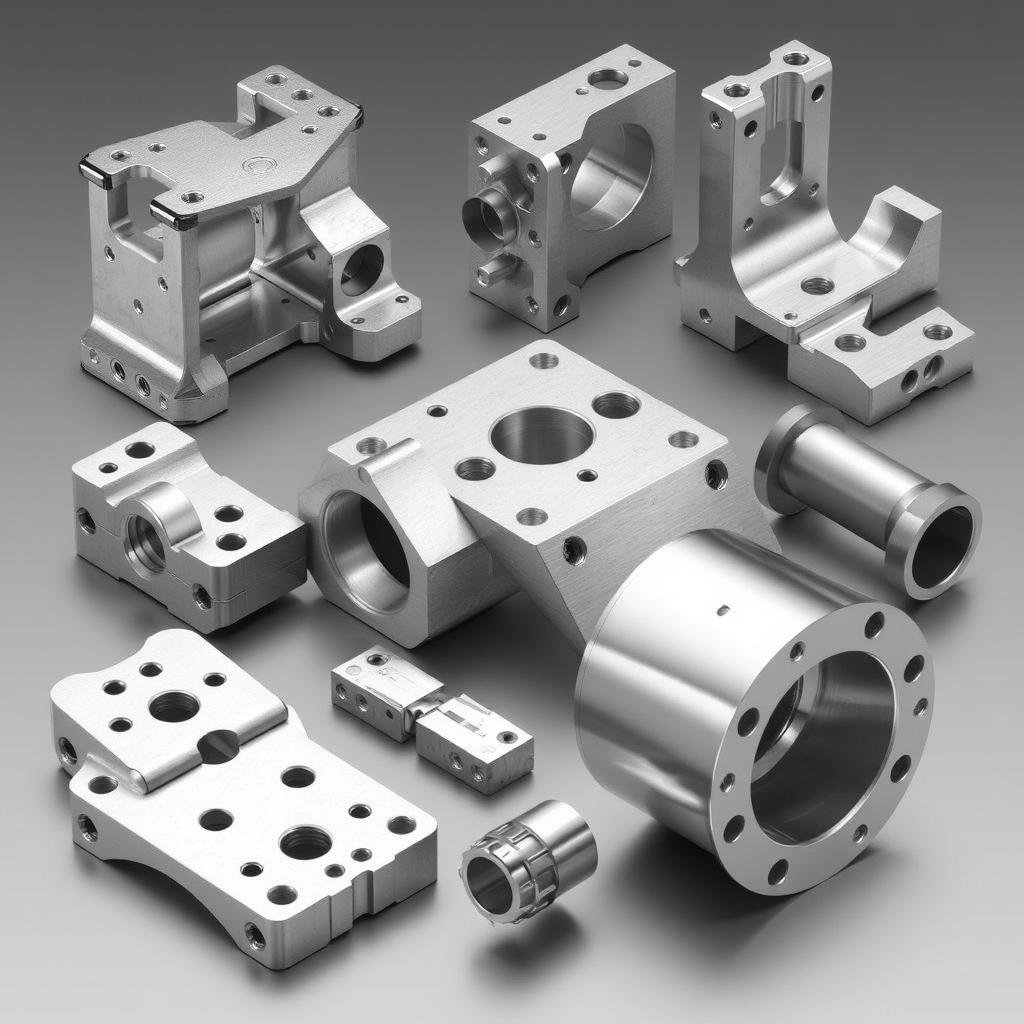
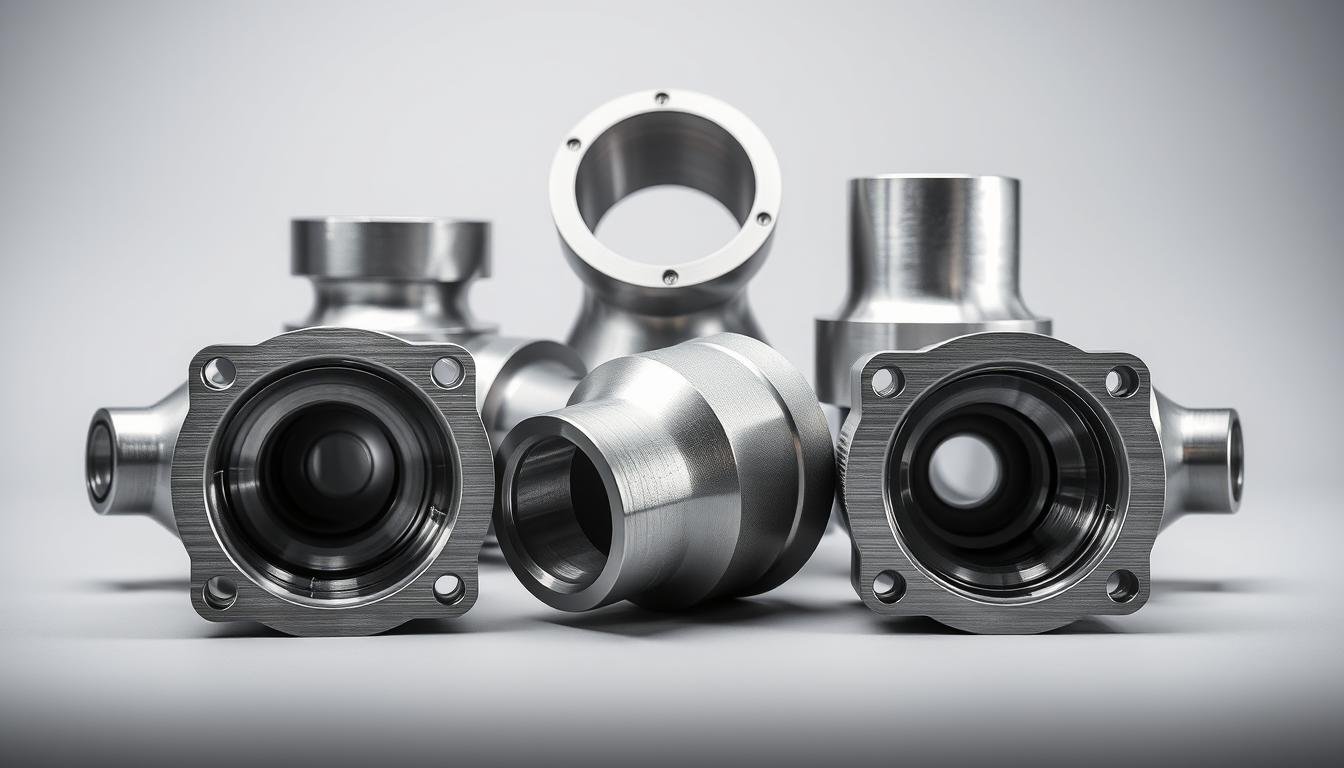 Forged aluminum components showing superior structural integrity
What is forged aluminum exactly? Forged aluminum is created by applying immense pressure to solid aluminum that has been heated until malleable but not melted. This process fundamentally transforms the metal’s internal structure. Unlike casting, where aluminum is melted and poured into molds, forging involves pressing, hammering, or otherwise deforming solid metal to achieve the desired shape.
The forging process creates a refined, directional grain structure that follows the contours of the part. This aligned grain flow significantly enhances the material’s strength, durability, and resistance to fatigue. The intense pressure also eliminates internal defects like porosity that are common in cast aluminum, resulting in a denser, more uniform material with superior mechanical properties.
Forged aluminum components are particularly valued in applications where failure is not an option, such as aircraft landing gear, automotive suspension components, and high-performance machinery parts. The process creates parts that can withstand extreme stress, impact, and repetitive loading without compromising structural integrity.
The Aluminum Forging Process Explained
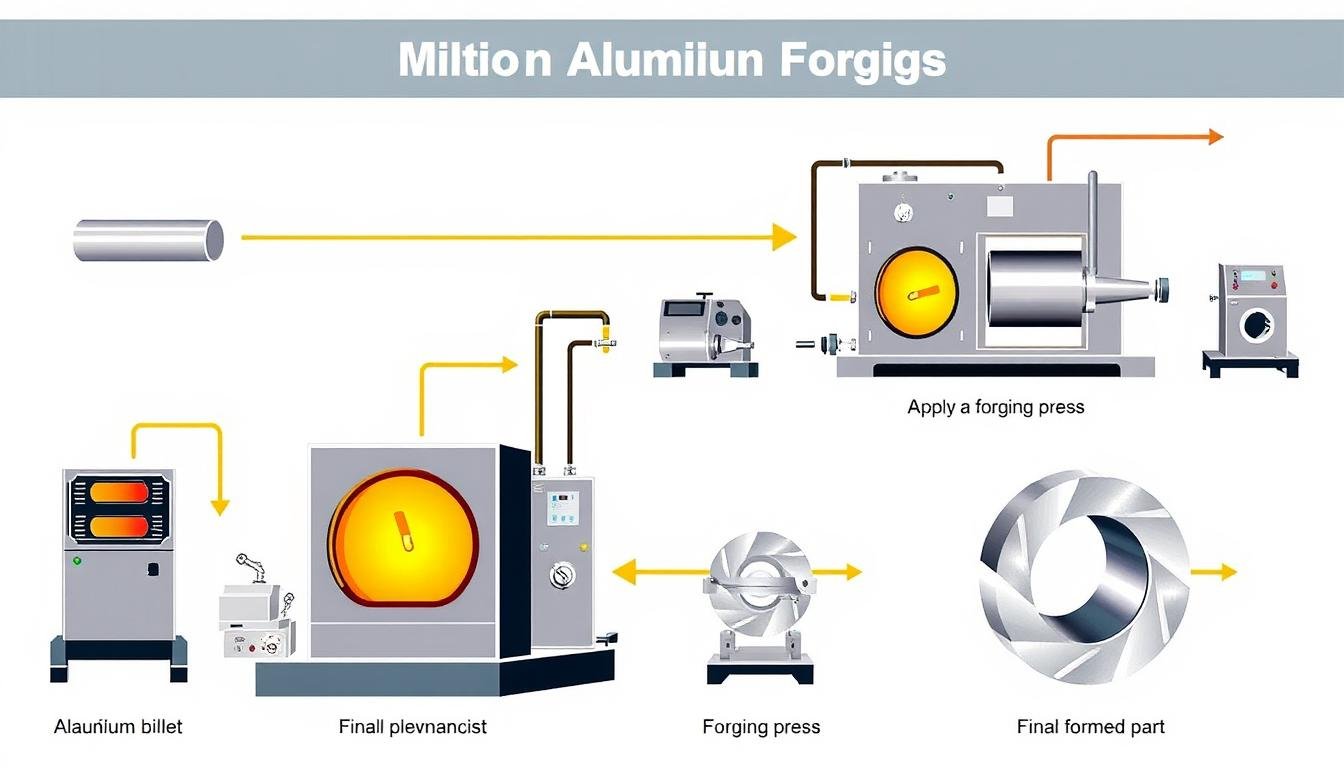
The step-by-step aluminum forging process
The forging process transforms raw aluminum into high-performance components through several carefully controlled steps:
Key Steps in the Aluminum Forging Process
- Material Selection – Choosing the appropriate aluminum alloy based on the required mechanical properties and application demands.
- Heating – The aluminum billet is heated to a specific temperature (typically between 750°F and 950°F) where it becomes malleable but remains solid.
- Forging – The heated billet is placed in a die and subjected to immense pressure, forcing it to conform to the die’s shape.
- Cooling – The forged part is cooled in a controlled manner to maintain its structural integrity.
- Heat Treatment – Many forged aluminum parts undergo heat treatment to further enhance their mechanical properties.
- Finishing – Additional machining, surface treatments, or other finishing processes may be applied to achieve final specifications.
Types of Aluminum Forging Processes
There are several methods used to forge aluminum, each with specific advantages for different applications:
Open-Die Forging
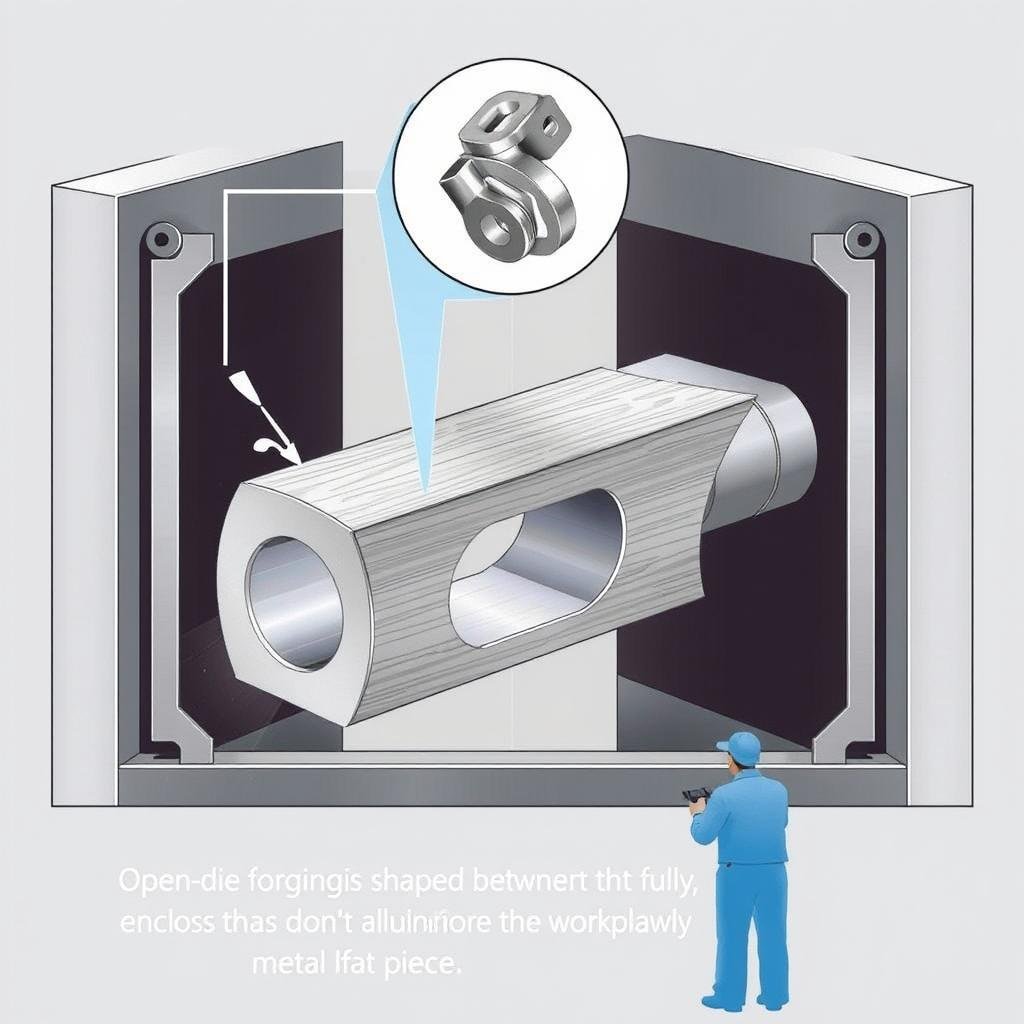
In open-die forging, the aluminum is shaped between two flat dies that don’t fully enclose it. This method is ideal for simple, large components and offers good directional strength.
Closed-Die Forging
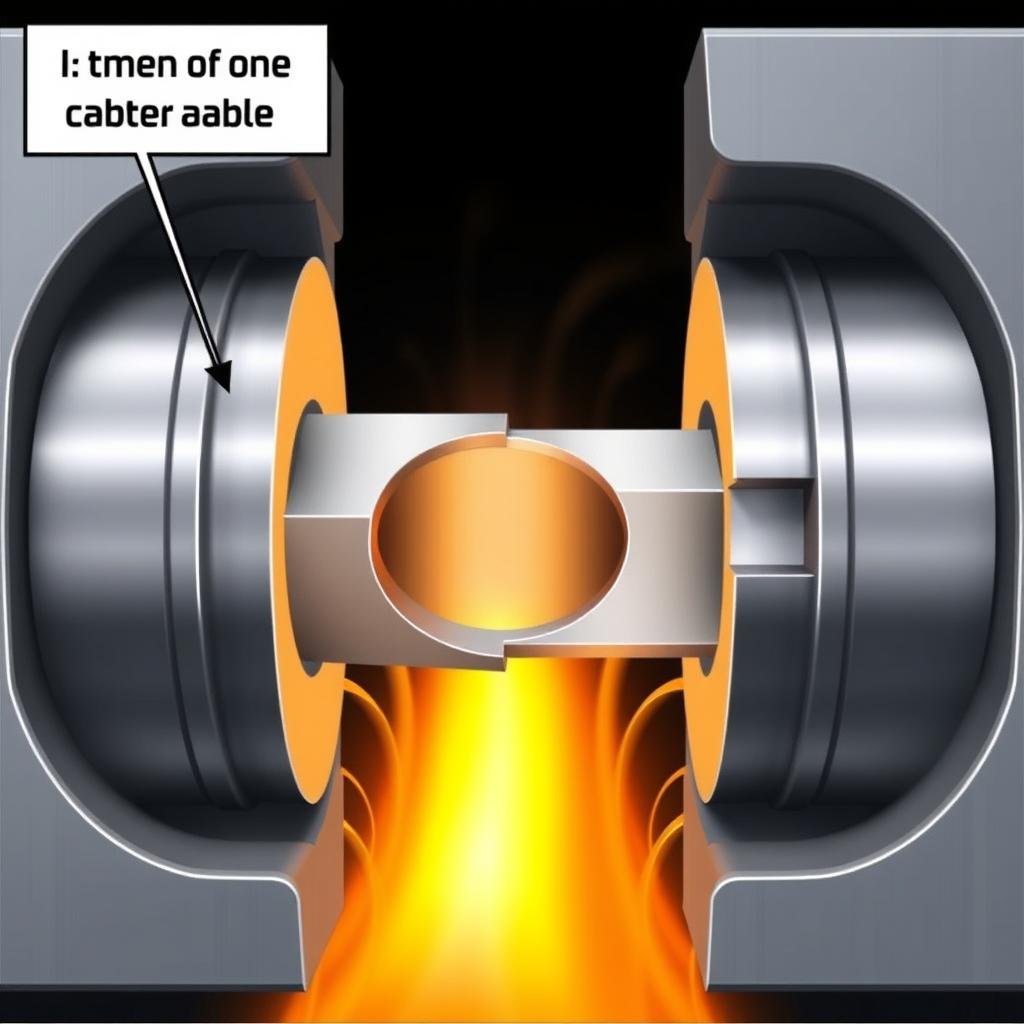
Also called impression-die forging, this method uses dies containing a cavity in the shape of the desired part. It offers better dimensional accuracy and is suitable for more complex geometries.
Precision Forging
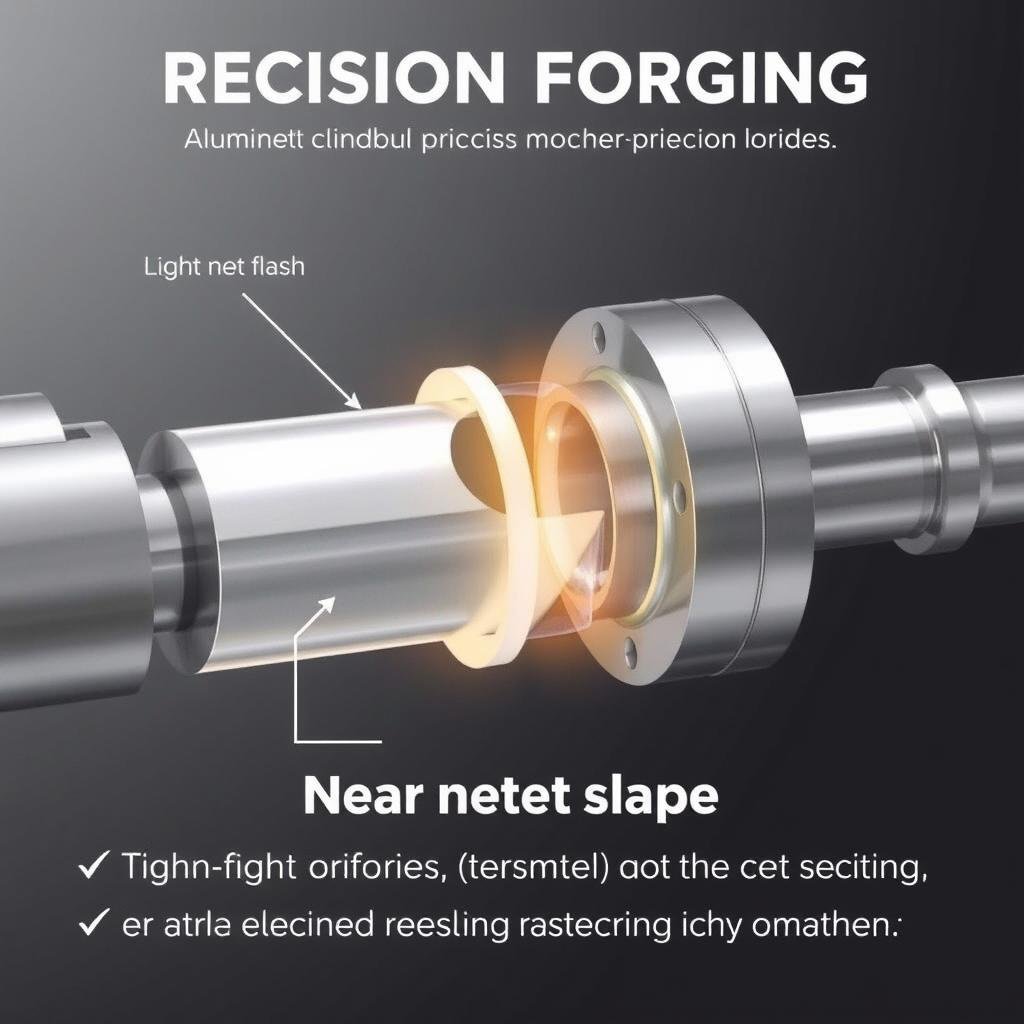
An advanced form of closed-die forging that produces parts with tighter tolerances and minimal need for finishing. This process creates near-net-shape components, reducing material waste and machining costs.
Forged Aluminum vs. Cast Aluminum: Understanding the Differences
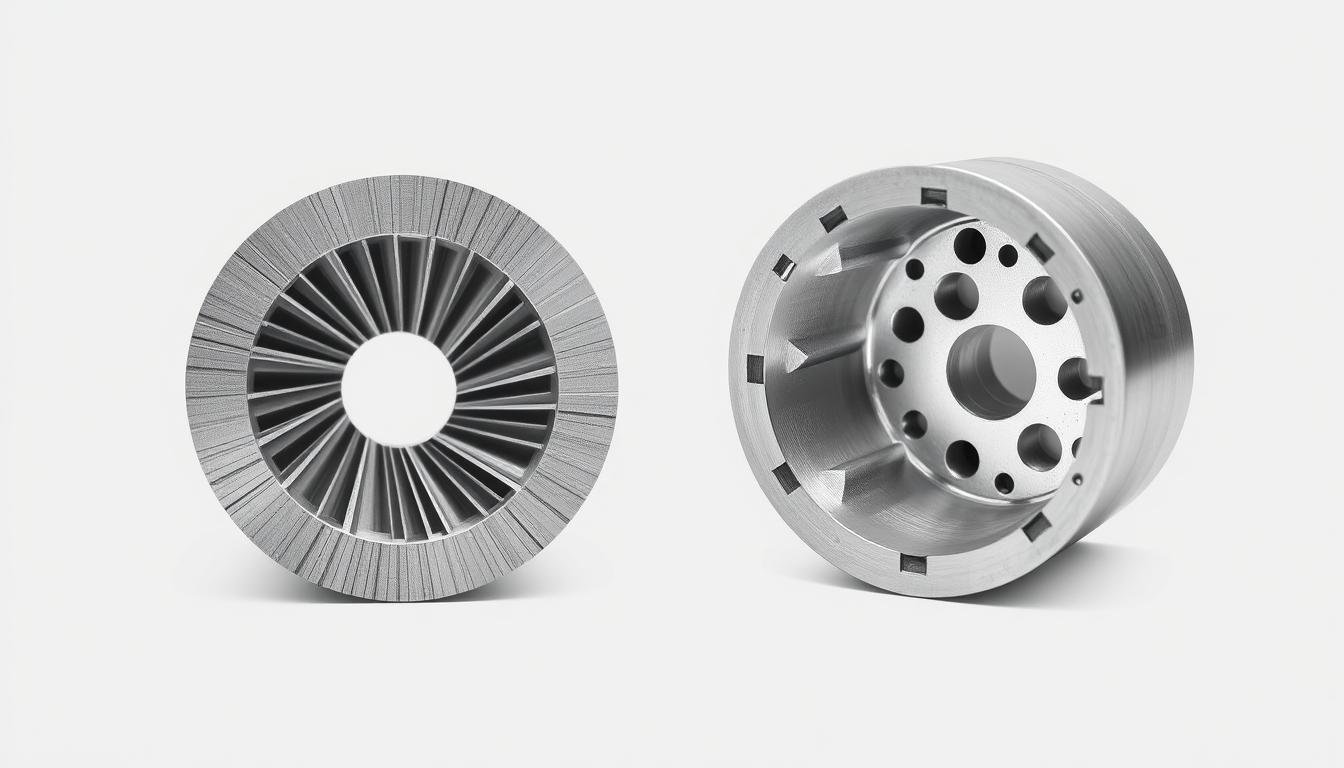
Structural comparison between forged and cast aluminum
Understanding the differences between forged and cast aluminum is crucial for selecting the right manufacturing process for your components. While both methods create aluminum parts, they result in materials with significantly different properties and performance characteristics.
| Characteristic | Forged Aluminum | Cast Aluminum |
| Formation Method | Shaped by applying pressure to solid metal | Formed by pouring molten metal into molds |
| Internal Structure | Dense, refined grain structure with directional flow | Random grain structure with potential porosity |
| Strength | Superior tensile and yield strength | Moderate strength with potential weak points |
| Fatigue Resistance | Excellent resistance to repeated stress | Lower fatigue resistance |
| Impact Toughness | High impact resistance | More brittle, lower impact resistance |
| Design Complexity | Limited to simpler geometries | Can create complex shapes with internal features |
| Production Cost | Higher initial tooling cost | Lower initial cost for complex parts |
| Production Volume | Economical for medium to high volumes | Suitable for low to high volumes |
Why Industries Choose Forged Aluminum Over Cast
Despite the higher initial cost, many industries choose forged aluminum over cast for critical applications due to its superior performance characteristics:
Advantages of Forged Aluminum
- Superior strength-to-weight ratio
- Enhanced fatigue resistance for cyclic loading
- Improved impact toughness and durability
- Elimination of internal defects like porosity
- Consistent, predictable mechanical properties
- Better response to heat treatment
- Higher reliability in critical applications
Limitations of Forged Aluminum
- Higher initial tooling and setup costs
- Limited geometric complexity compared to casting
- Longer production time for each component
- May require additional machining for complex features
- Less suitable for very small production runs
- Requires specialized equipment and expertise
Need Help Choosing Between Forged and Cast Aluminum?
Our engineering team can help you determine the best manufacturing process for your specific application requirements. Contact us for a consultation.
Aluminum Alloys for Forging: Making the Right Selection
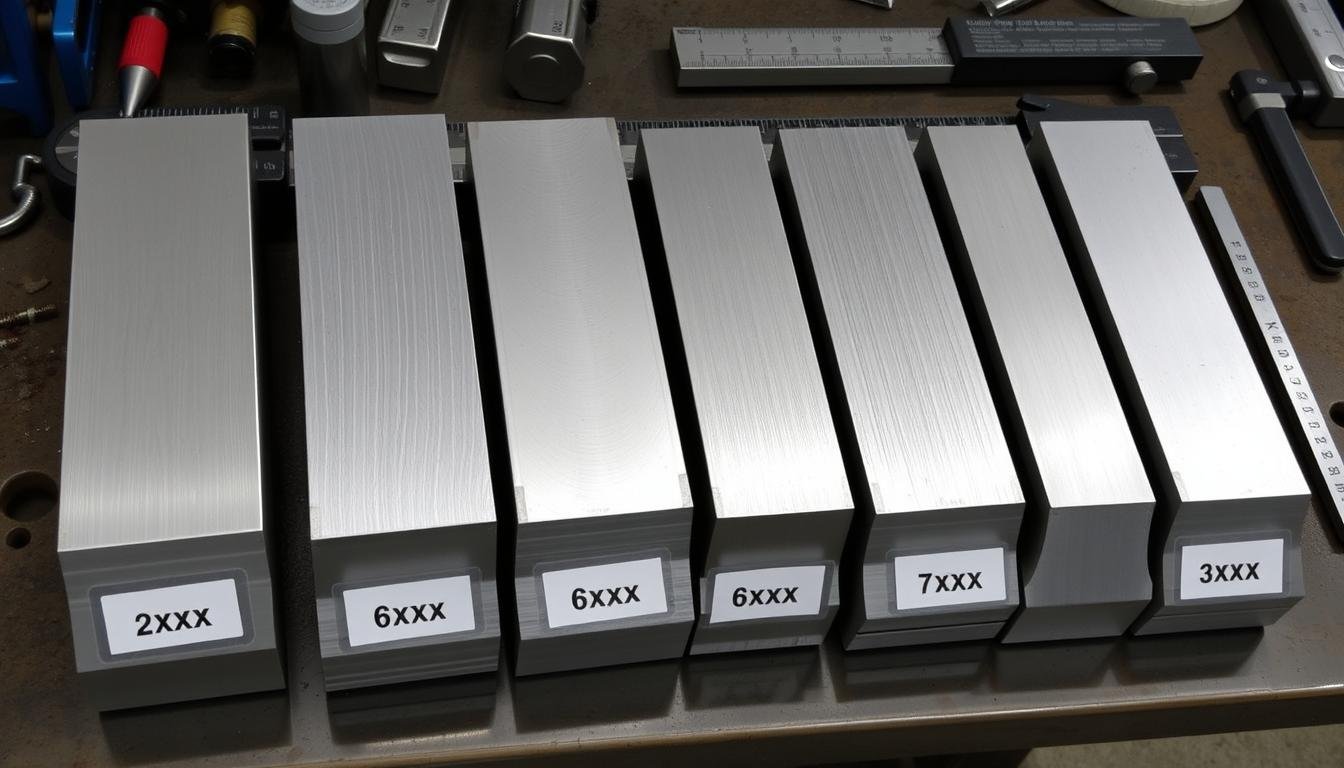
Different aluminum alloy series prepared for forging
Selecting the right aluminum alloy is crucial for achieving the desired mechanical properties in forged components. The Aluminum Association’s four-digit classification system categorizes alloys based on their primary alloying elements, with each series offering distinct characteristics.
Common Aluminum Alloy Series for Forging
2xxx Series (Copper)
Key Properties: High strength, excellent machinability, good heat treatability
Common Alloys: 2014, 2024, 2219
Best For: Aerospace components, aircraft structures, military applications
Considerations: Lower corrosion resistance, often requires protective coating
6xxx Series (Magnesium & Silicon)
Key Properties: Good formability, weldability, corrosion resistance, medium strength
Common Alloys: 6061, 6063, 6082
Best For: Automotive components, structural applications, architectural products
Considerations: Excellent balance of properties, good forgeability
7xxx Series (Zinc)
Key Properties: Highest strength among aluminum alloys, good stress corrosion resistance
Common Alloys: 7050, 7075, 7175
Best For: Aerospace structures, high-stress applications, defense components
Considerations: More challenging to forge, requires precise process control
Selecting the Right Alloy for Your Application
When choosing an aluminum alloy for forging, consider these key factors:
- Strength Requirements: For maximum strength, consider 7xxx series; for balanced properties, 6xxx series is often ideal
- Corrosion Environment: 6xxx series offers better natural corrosion resistance than 2xxx or 7xxx
- Weight Considerations: All aluminum alloys offer good strength-to-weight ratios, but specific alloys can be optimized for particular applications
- Machinability: Some alloys machine more easily than others, affecting secondary processing costs
- Heat Treatment Response: Different alloys respond differently to heat treatment, affecting final properties
- Cost Factors: Specialized high-performance alloys typically cost more than general-purpose options
MAIKONG Expert Tip: For critical components, the additional cost of premium alloys like 7075 is often justified by the superior performance and reliability they provide. Our engineering team can help you balance performance requirements with budget constraints.
Applications of Forged Aluminum Across Industries
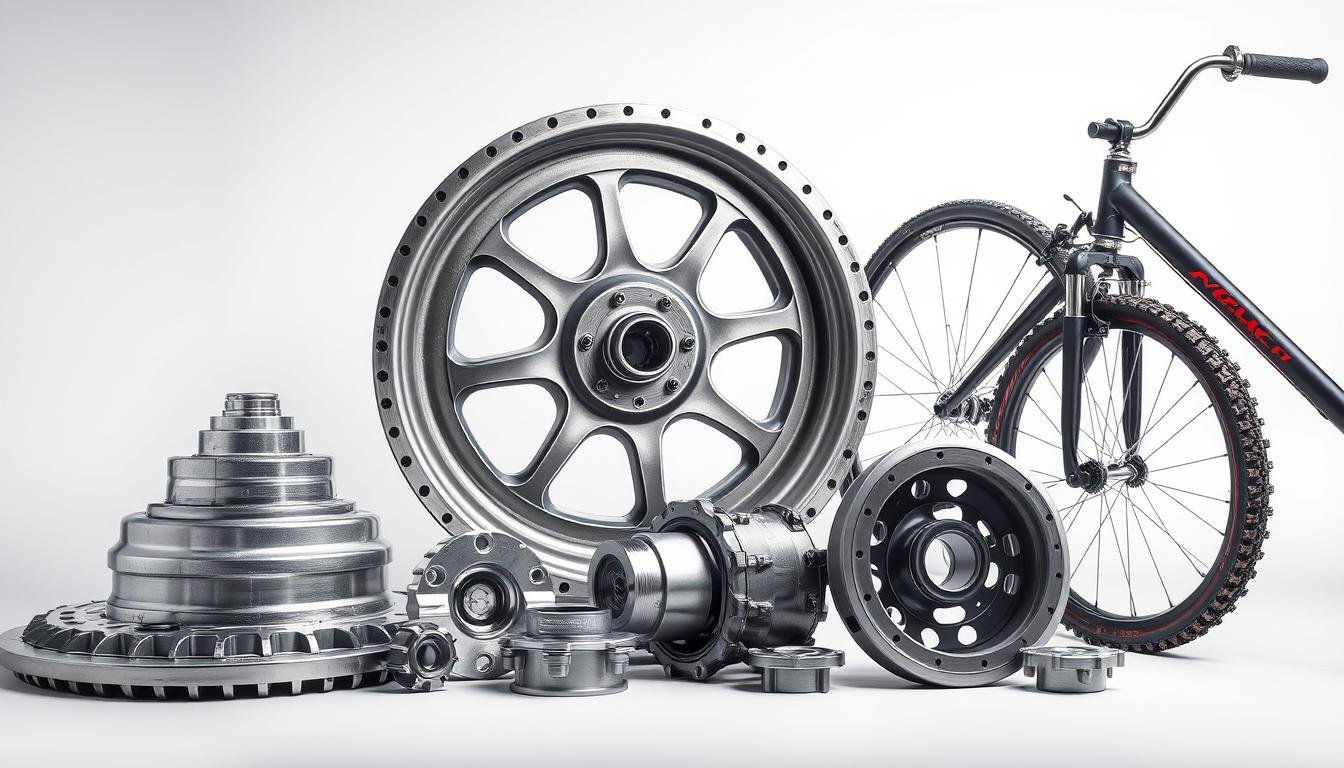
Forged aluminum components across various industries
The exceptional properties of forged aluminum make it the material of choice across numerous industries where performance, reliability, and weight are critical factors. Here’s how different sectors leverage the benefits of forged aluminum:
Aerospace Applications
The aerospace industry demands materials with exceptional strength-to-weight ratios and absolute reliability. Forged aluminum meets these requirements, providing components that can withstand extreme conditions while minimizing aircraft weight for fuel efficiency.
- Landing Gear Components: Must absorb immense impact forces during landing
- Wing Structures: Require high strength with minimal weight
- Bulkheads and Frames: Form the structural backbone of aircraft
- Engine Mounts: Must withstand high temperatures and vibration
- Control Surface Components: Require precision and reliability
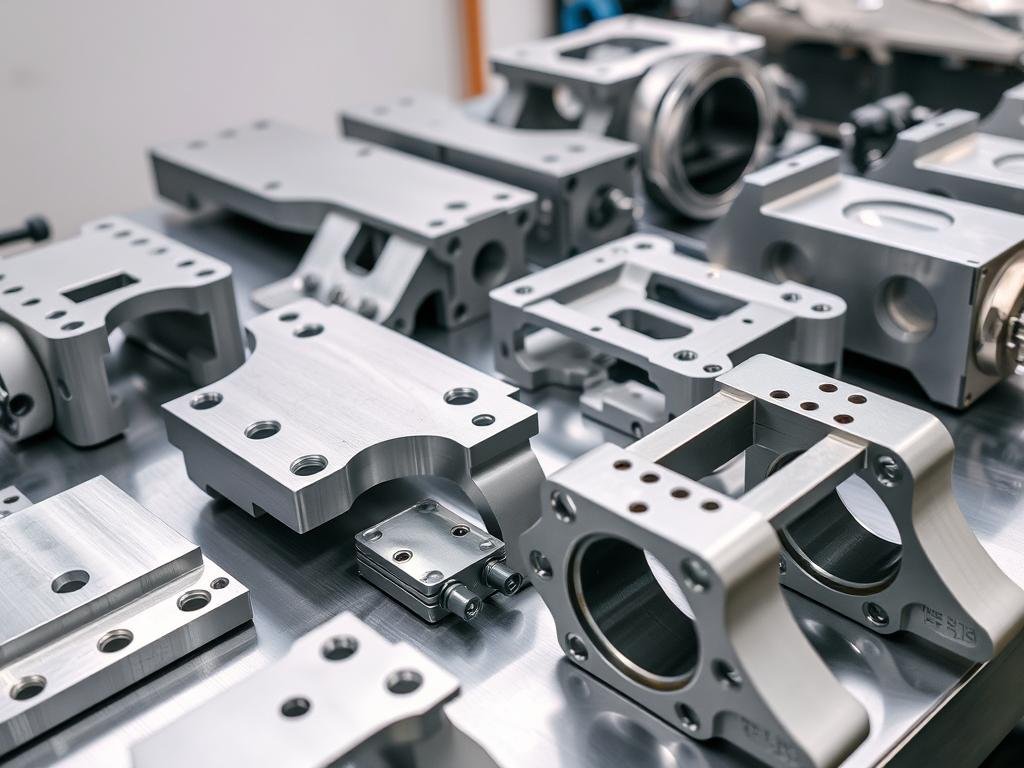
Automotive Applications
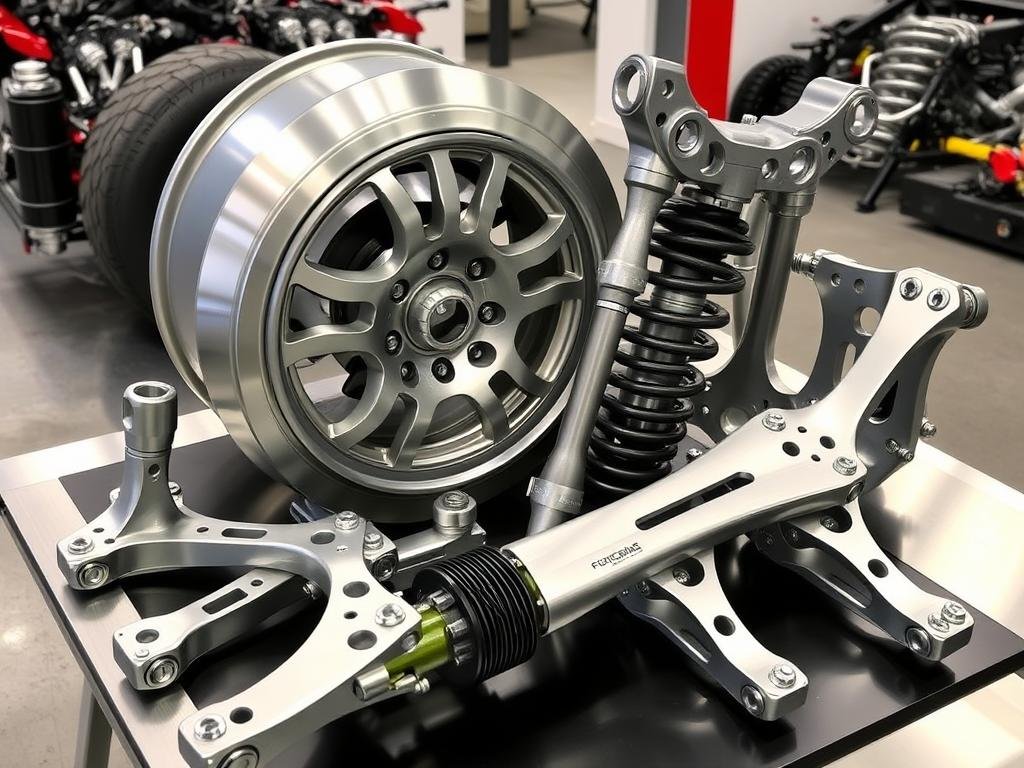
The automotive industry uses forged aluminum to reduce vehicle weight while maintaining or improving performance and safety. The weight reduction contributes to better fuel efficiency and handling.
- Wheels: Lighter than cast alternatives with superior impact resistance
- Suspension Components: Control arms, knuckles, and links that must withstand road forces
- Engine Components: Connecting rods, pistons, and crankshafts that endure high stress
- Chassis Components: Structural elements that contribute to vehicle safety
- Drivetrain Parts: Transmission and differential components requiring precision
Industrial and Other Applications
Industrial Machinery
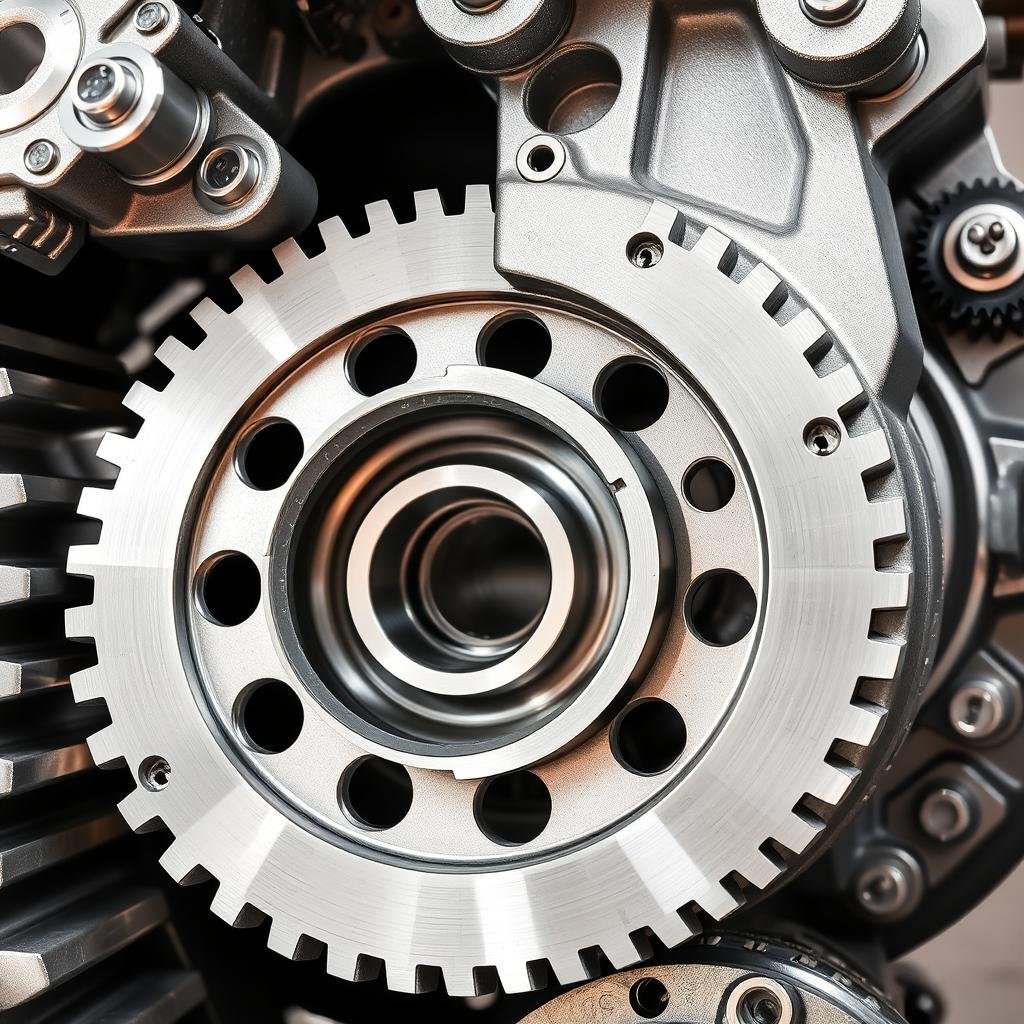
- High-stress mechanical components
- Hydraulic system parts
- Structural elements for heavy equipment
- Robotic arm components
Sports Equipment
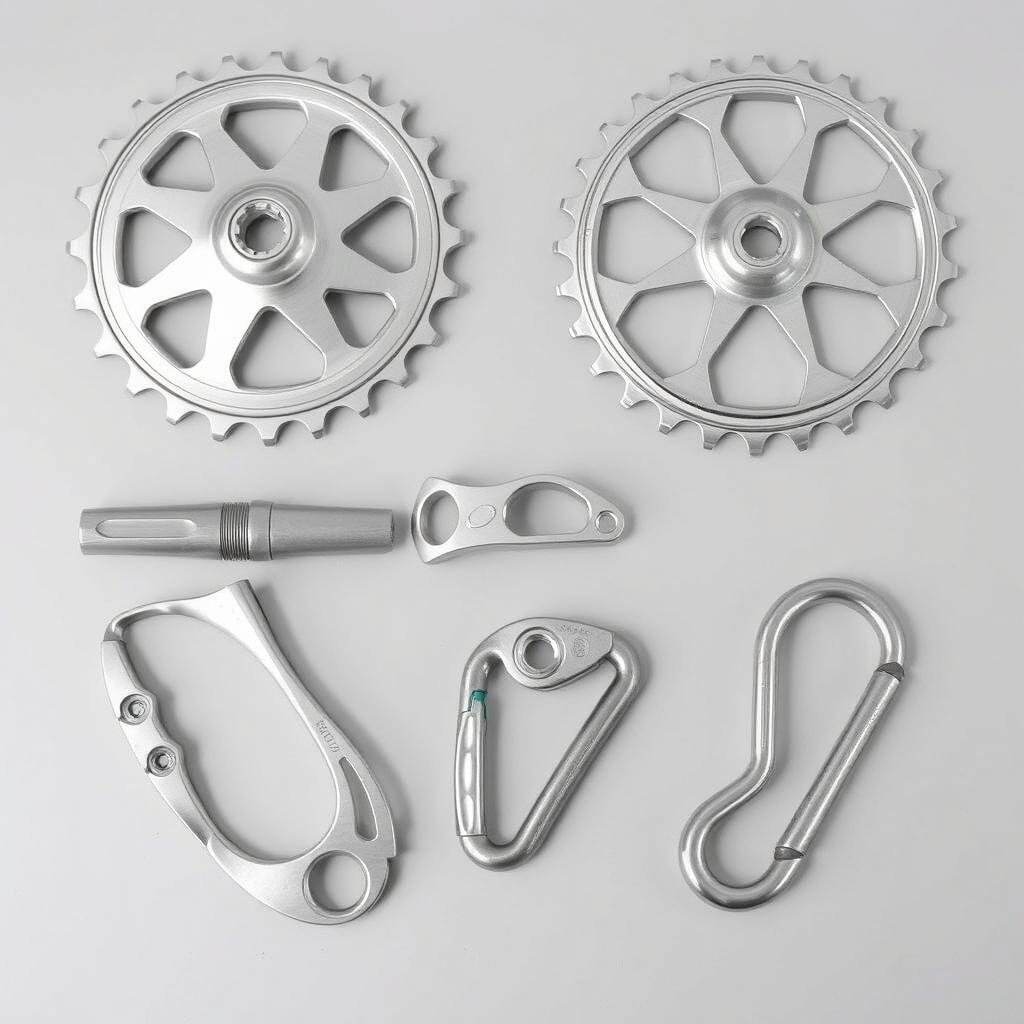
- Bicycle components (cranks, stems)
- Golf club heads
- Tennis racket frames
- Climbing equipment
Defense & Military
- Weapon components
- Tactical equipment
- Vehicle armor support structures
- Communication equipment housings
Looking for Custom Forged Aluminum Solutions?
MAIKONG specializes in high-performance forged aluminum components for diverse industries. Our engineering team can help develop custom solutions for your specific application needs.
MAIKONG’s Advanced Forged Aluminum Manufacturing Process
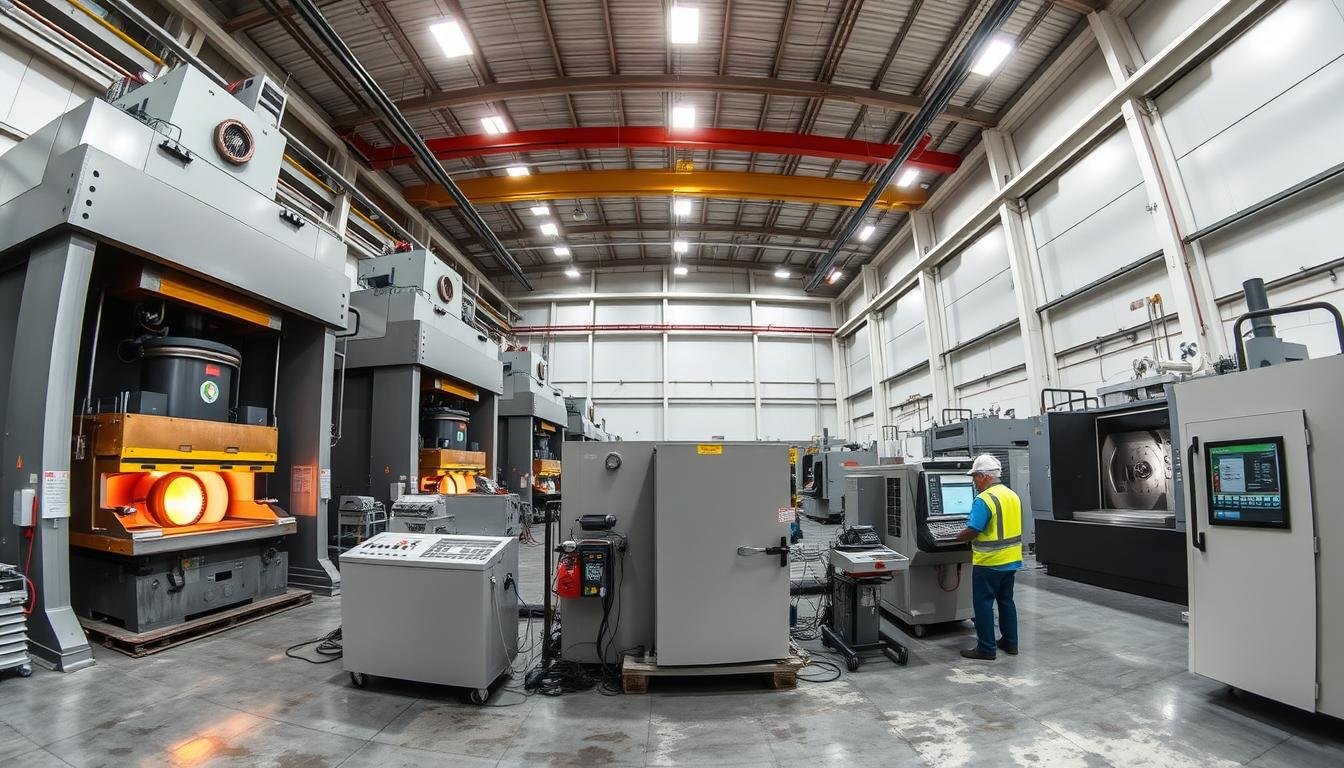
MAIKONG’s advanced aluminum forging facility in GD, SZ
At MAIKONG, we’ve developed a comprehensive manufacturing process that ensures the highest quality forged aluminum components. Our end-to-end approach combines traditional forging expertise with cutting-edge technology to deliver superior products for demanding applications.
Our Comprehensive Manufacturing Workflow
1. Design & Engineering
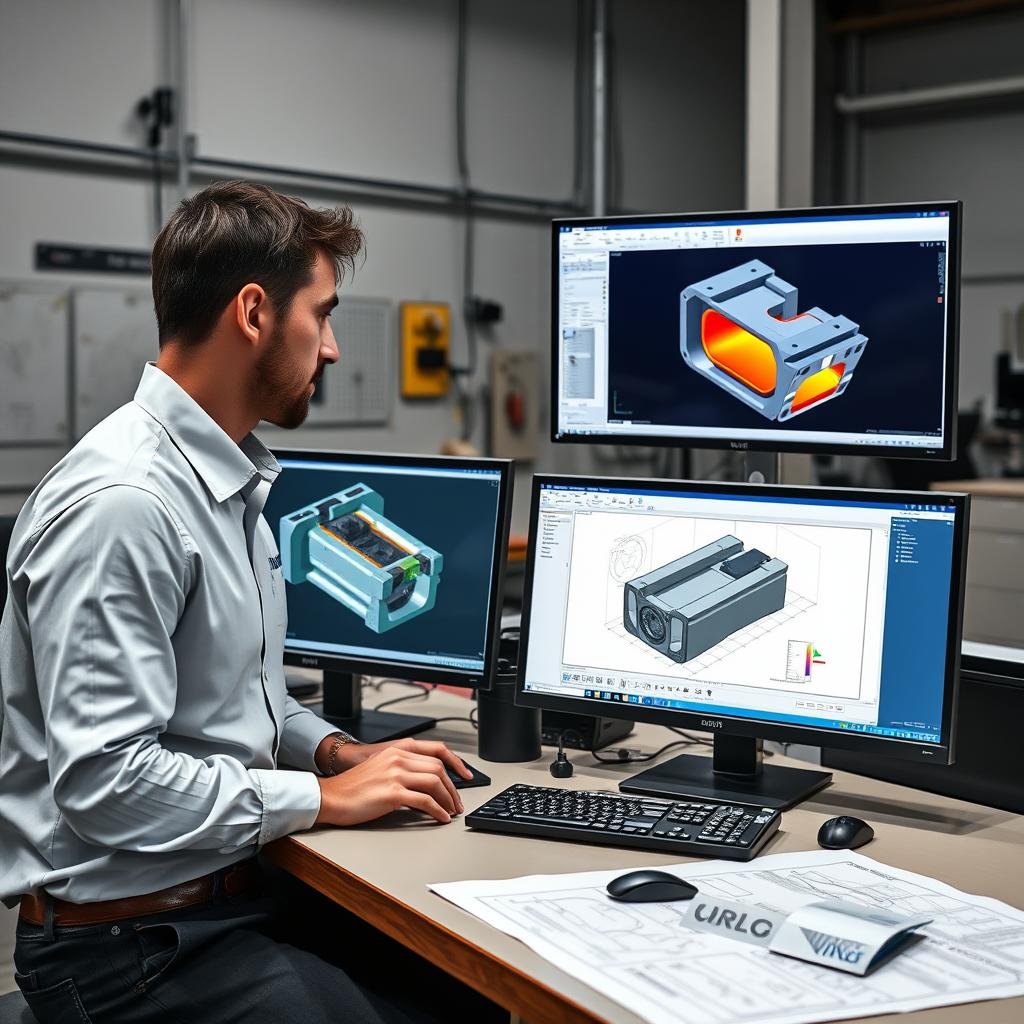
Our process begins with collaborative design and engineering. Using advanced CAD/CAM software and simulation tools, we optimize component design for the forging process, ensuring manufacturability while meeting performance requirements.
2. Material Selection & Preparation
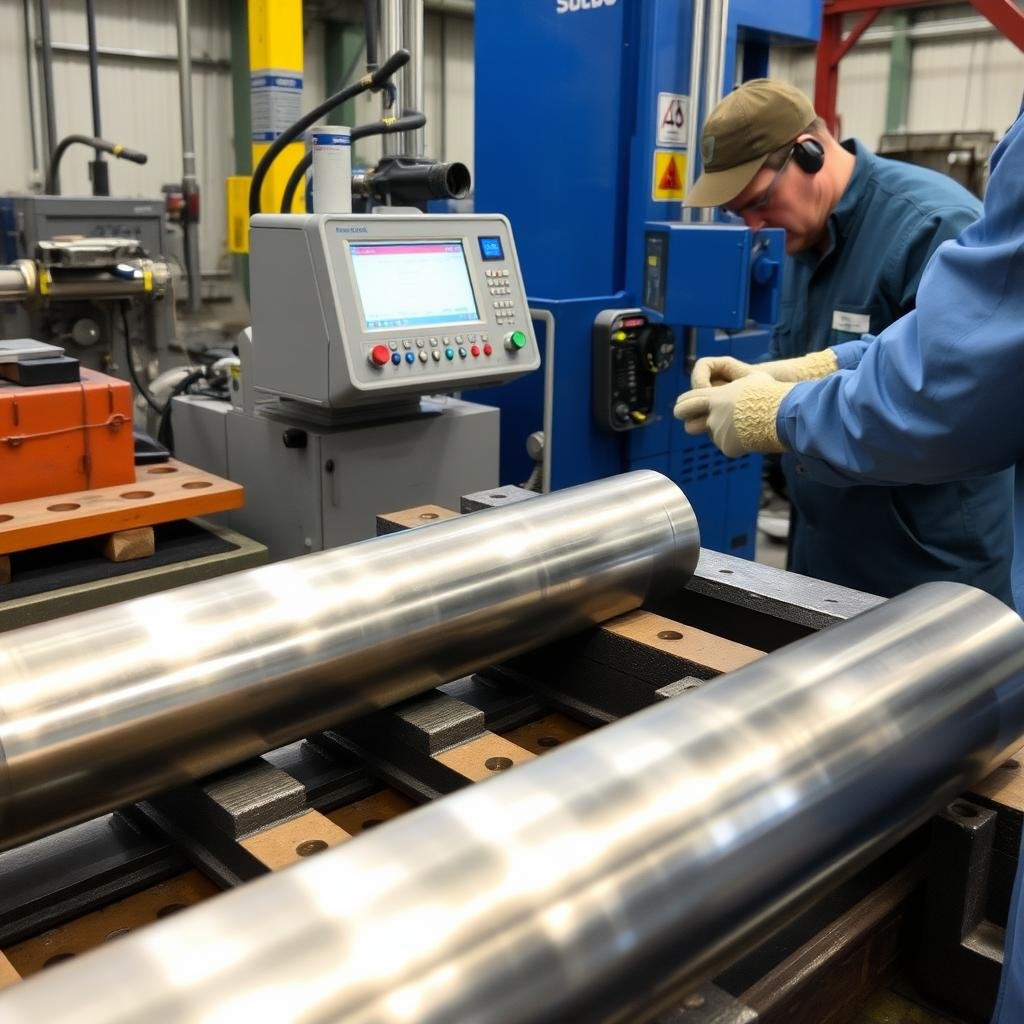
We carefully select the optimal aluminum alloy for each application and prepare precision-cut billets. Our material laboratory conducts rigorous testing to ensure every batch meets our strict quality standards before entering production.
3. Forging & Heat Treatment
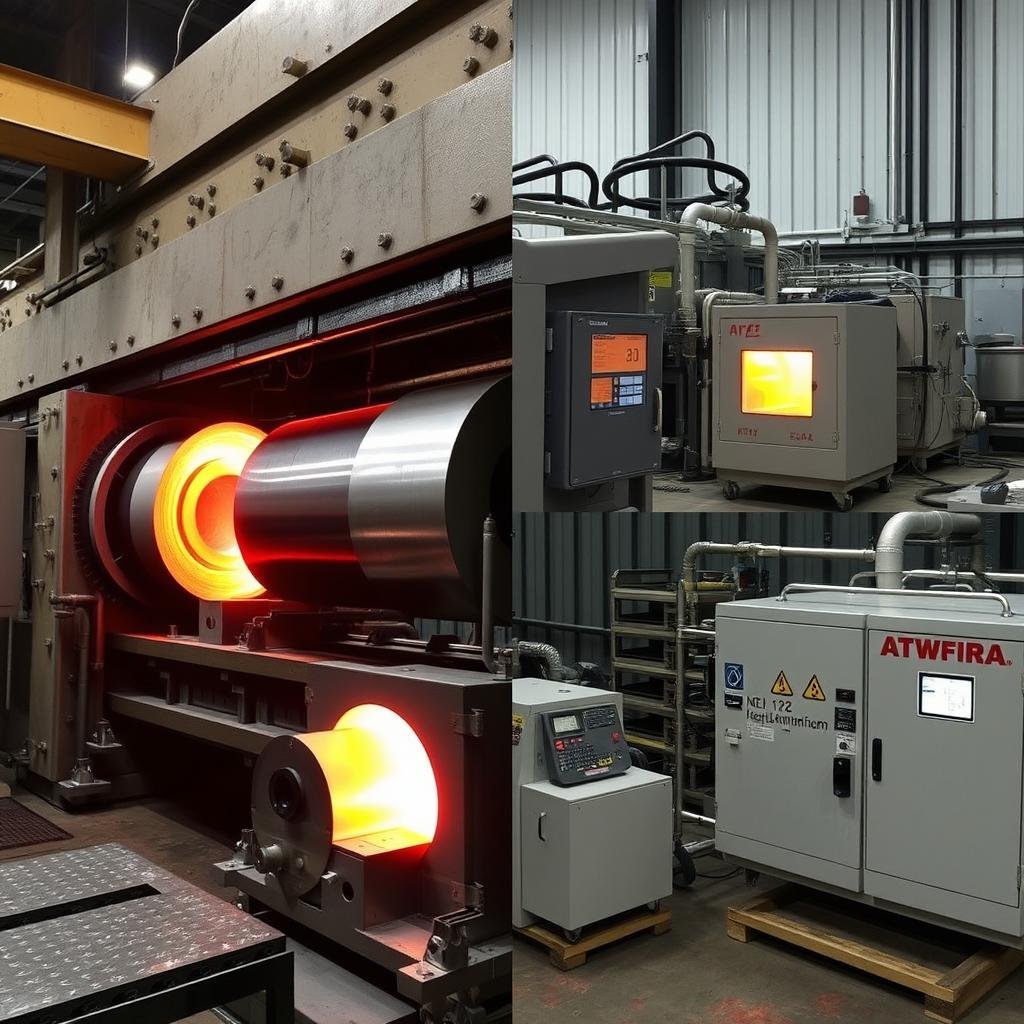
Using state-of-the-art hydraulic presses, we forge components with precise control over pressure, temperature, and timing. Post-forging heat treatment in our calibrated furnaces ensures optimal mechanical properties for each specific alloy and application.
4. Precision Machining
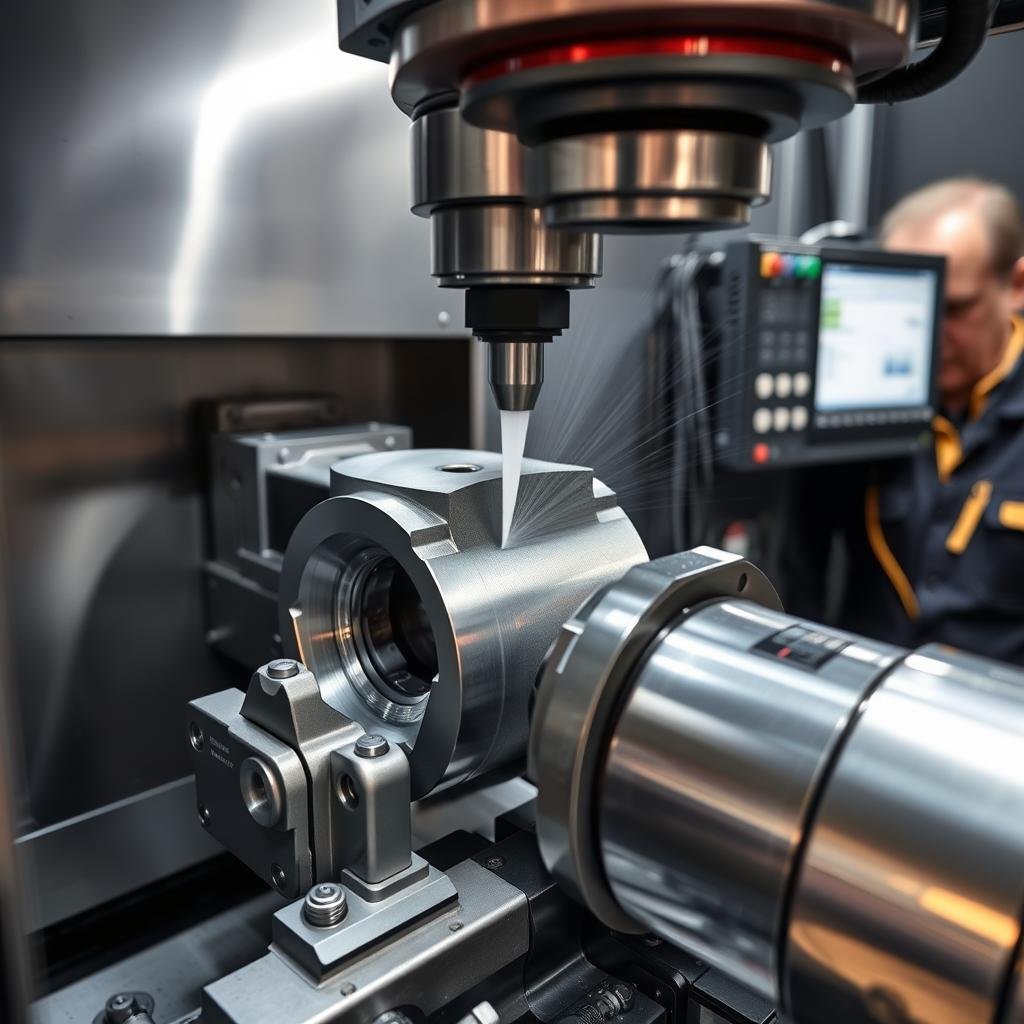
Our advanced CNC machining centers provide precise secondary operations to achieve final dimensions and features. With multi-axis capabilities, we can handle complex geometries while maintaining tight tolerances.
5. Surface Treatment & Finishing
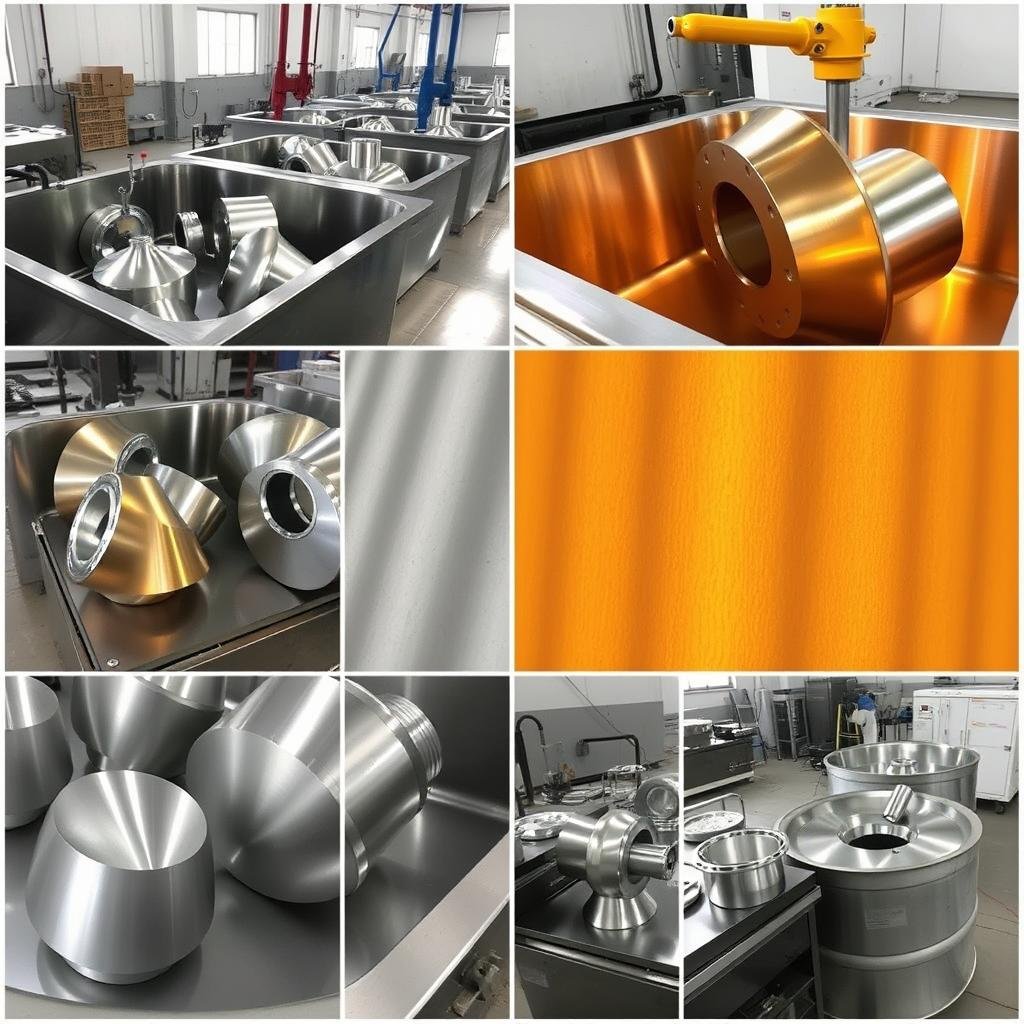
We offer comprehensive surface treatments including anodizing, painting, and specialized coatings to enhance corrosion resistance, appearance, and performance characteristics according to your specifications.
6. Quality Assurance
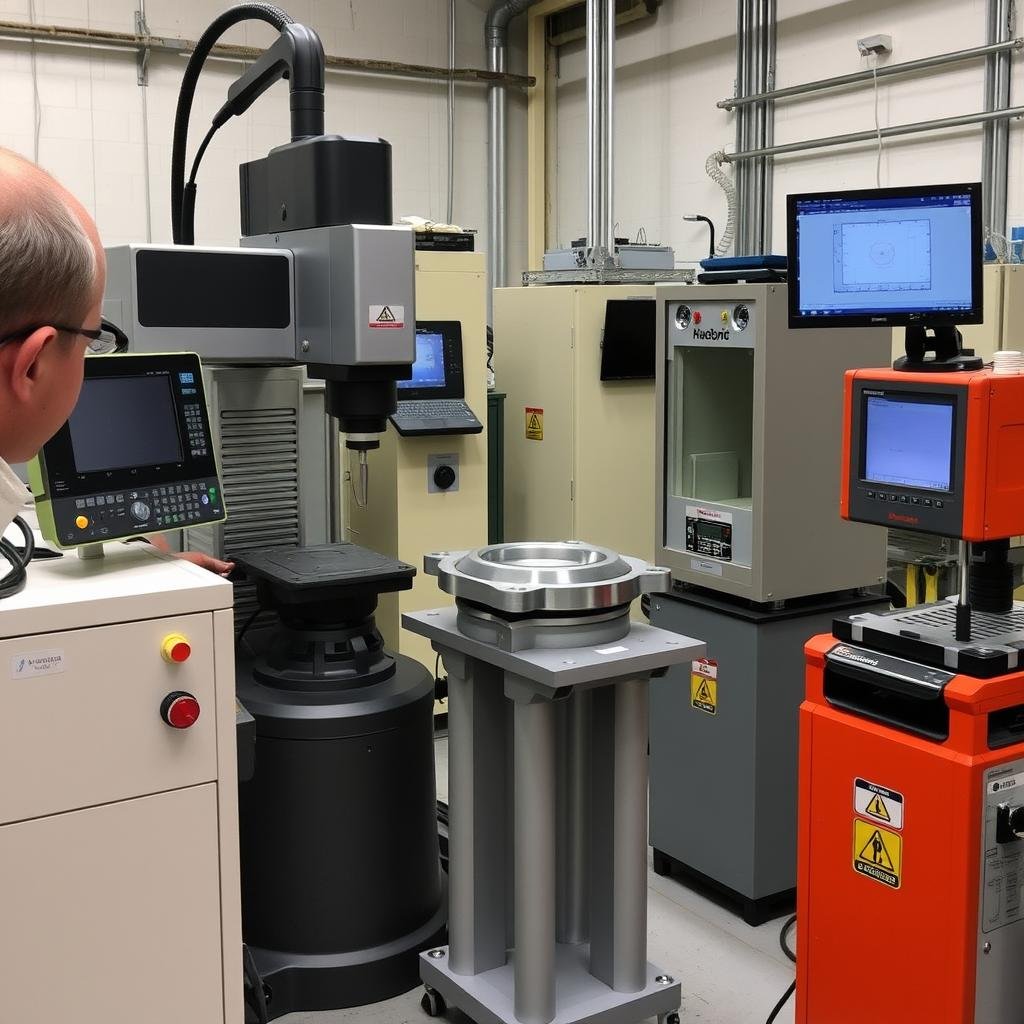
Every component undergoes rigorous inspection using advanced measurement equipment, non-destructive testing, and performance validation. Our quality management system ensures consistent adherence to specifications and standards.
“At MAIKONG, we don’t just manufacture forged aluminum parts – we engineer complete solutions that consider every aspect of performance, from material selection to final surface treatment. Our integrated approach ensures optimal results for even the most demanding applications.”
Quality Control in Forged Aluminum Production
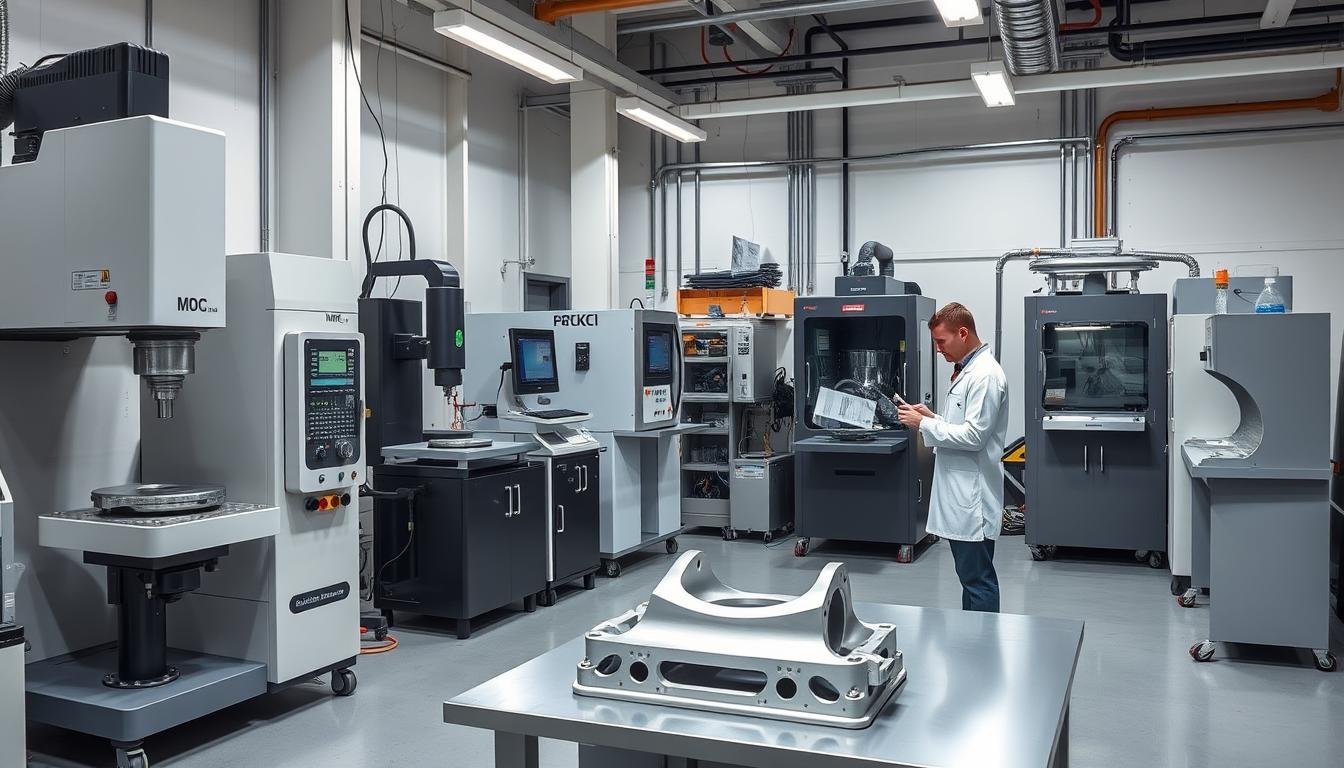
Comprehensive quality control processes at MAIKONG
Quality control is paramount in forged aluminum production, especially for components used in critical applications where failure is not an option. At MAIKONG, we implement a comprehensive quality management system that ensures every component meets or exceeds specifications.
Our Multi-Stage Quality Assurance Process
| Quality Control Stage | Testing Methods | Parameters Verified |
| Raw Material Inspection | Spectrographic analysis, Hardness testing | Chemical composition, Material properties |
| Pre-Forging Verification | Dimensional inspection, Visual examination | Billet dimensions, Surface conditions |
| Process Monitoring | Temperature monitoring, Press force measurement | Heating parameters, Forging pressure |
| Post-Forging Inspection | Visual inspection, Dimensional verification | Surface defects, Initial dimensions |
| Heat Treatment Validation | Hardness testing, Microstructure analysis | Material hardness, Grain structure |
| Non-Destructive Testing | Ultrasonic testing, Dye penetrant inspection | Internal defects, Surface cracks |
| Final Dimensional Inspection | CMM measurement, Gauge verification | Critical dimensions, Geometric tolerances |
| Performance Testing | Tensile testing, Fatigue testing | Mechanical properties, Durability |
Certifications and Standards
MAIKONG maintains rigorous quality management systems certified to international standards, ensuring consistent quality across all our forged aluminum products:
- ISO 9001:2015 – Quality Management System certification
- IATF 16949 – Automotive industry quality management standard
- AS9100 – Aerospace quality management system
- Material Certifications – Full traceability and certification for all materials
- Process Documentation – Comprehensive records of all manufacturing parameters
MAIKONG Quality Commitment: Every forged aluminum component we produce undergoes rigorous inspection and testing to ensure it meets all specified requirements. Our quality management system provides complete traceability from raw material to finished product, giving you confidence in the performance and reliability of our components.
Why Choose MAIKONG for Your Forged Aluminum Needs
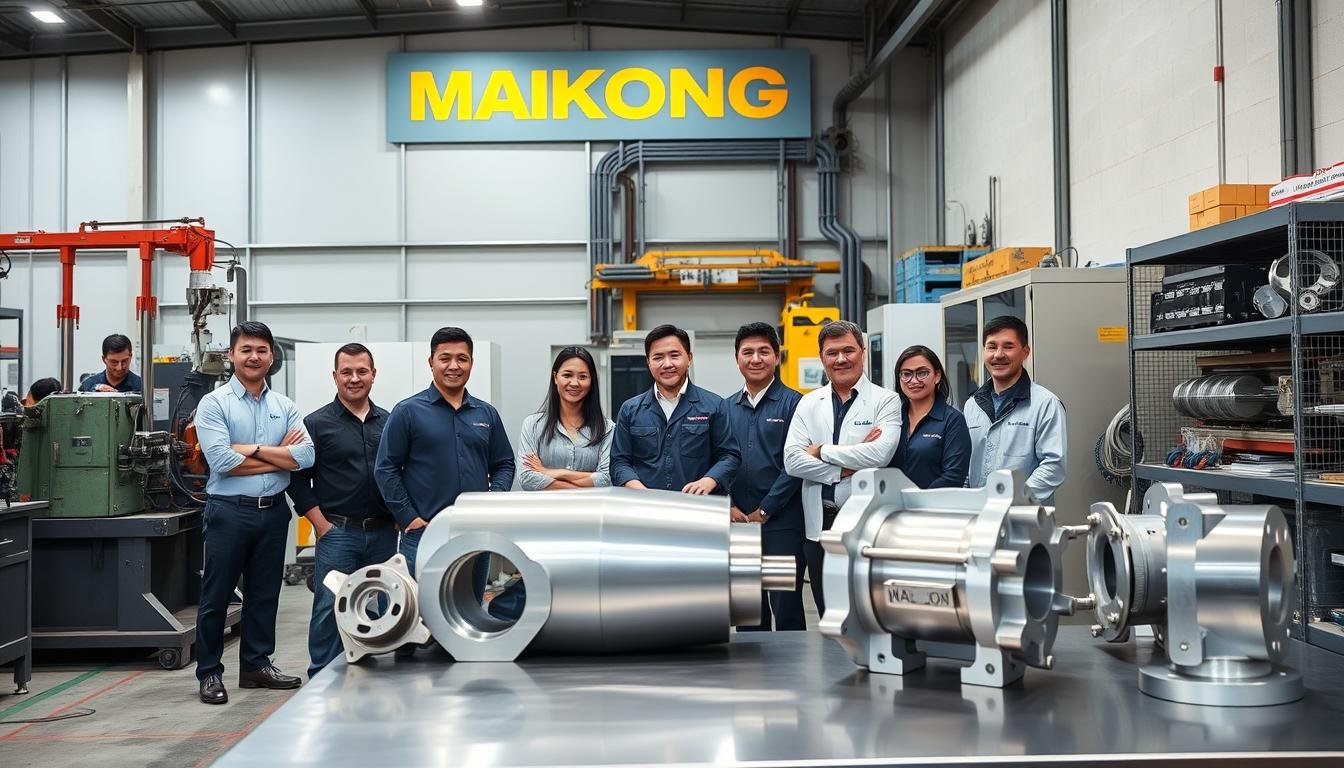
MAIKONG’s expert team and advanced manufacturing capabilities
When selecting a partner for forged aluminum components, expertise, capabilities, and reliability are paramount. MAIKONG offers a comprehensive solution that addresses all aspects of forged aluminum production, from design to delivery.
Our Competitive Advantages
- Technical Expertise: Our engineering team brings decades of experience in aluminum forging and precision machining
- Comprehensive Capabilities: From design assistance to final surface treatment, we offer end-to-end solutions
- Advanced Equipment: State-of-the-art forging presses, heat treatment furnaces, and CNC machines
- Quality Assurance: Rigorous testing and inspection at every stage of production
- Material Knowledge: Deep understanding of aluminum alloys and their optimal applications
- Cost Efficiency: Optimized processes that balance quality with competitive pricing
- Responsive Service: Dedicated support and communication throughout your project
Industries We Serve
- Aerospace: Components meeting rigorous safety and performance standards
- Automotive: High-performance parts for efficiency and reliability
- Defense: Mission-critical components for extreme conditions
- Industrial: Durable parts for demanding manufacturing environments
- Medical: Precision components for healthcare equipment
- Energy: Reliable parts for power generation and distribution
- Sports & Recreation: High-performance equipment components
Frequently Asked Questions About Forged Aluminum
What makes forged aluminum superior to cast aluminum?
Forged aluminum offers superior strength, improved fatigue resistance, and enhanced durability compared to cast aluminum. The forging process creates a refined grain structure that follows the part contours, eliminating porosity and internal defects common in castings. This results in components that can withstand higher stress, impact, and cyclic loading.
What are the cost considerations for forged aluminum parts?
While forged aluminum components typically have higher initial tooling costs than cast parts, they often provide better long-term value through enhanced performance, reliability, and durability. The total cost should consider not just manufacturing expenses but also the component’s lifespan, maintenance requirements, and the potential cost of failure in critical applications.
What design considerations are important for forged aluminum components?
Optimal design for forged aluminum considers several factors: appropriate draft angles for die removal, balanced material flow during forging, minimized section thickness variations, and proper fillet and radius design to avoid stress concentrations. Early collaboration with our engineering team ensures designs that maximize the benefits of the forging process while minimizing costs.
What quality standards does MAIKONG adhere to?
MAIKONG maintains rigorous quality management systems certified to international standards including ISO 9001:2015, IATF 16949 for automotive applications, and AS9100 for aerospace components. We provide comprehensive material certifications and full traceability for all our forged aluminum products, ensuring they meet or exceed industry requirements.
Partner with MAIKONG for Superior Forged Aluminum Solutions
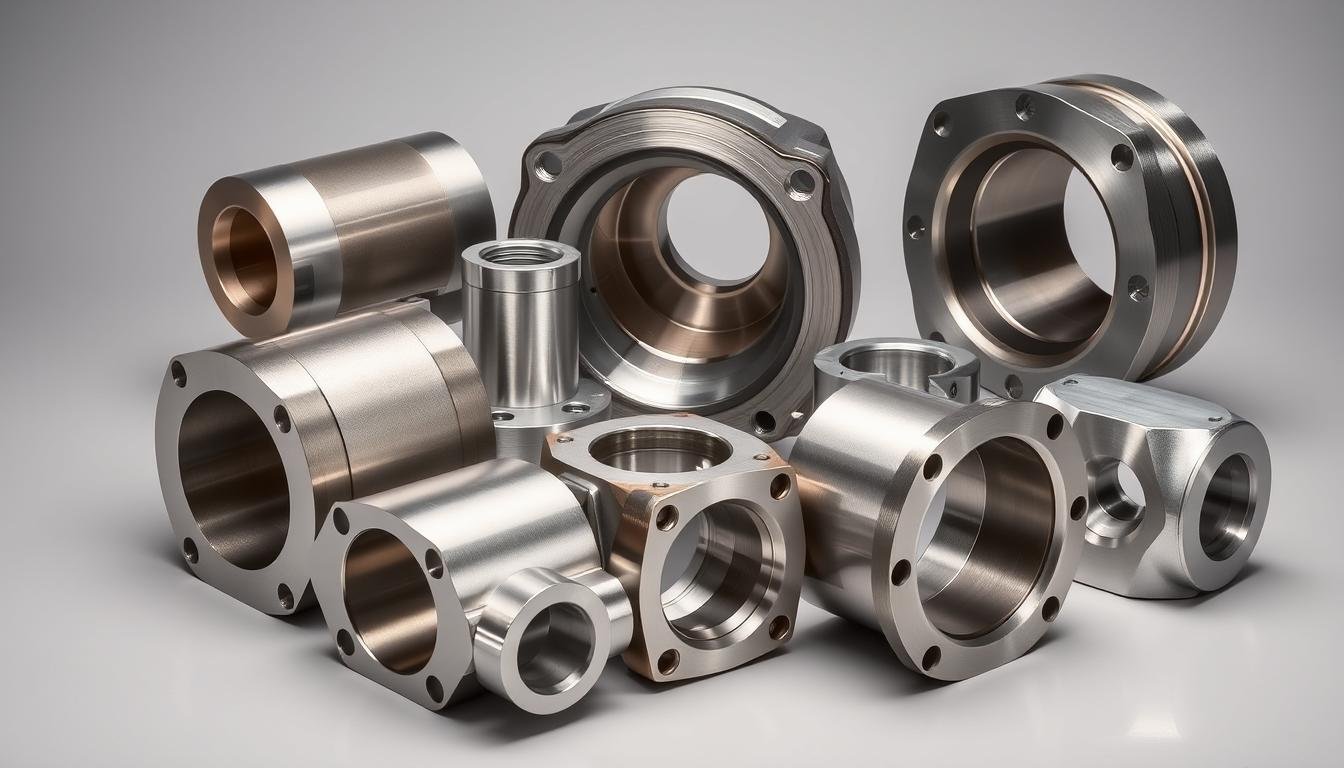
Precision-engineered forged aluminum components by MAIKONG
Ready to elevate your components with the superior performance of forged aluminum? MAIKONG offers comprehensive forging and machining services tailored to your specific requirements. Our team of experts is ready to assist with material selection, design optimization, and manufacturing solutions that deliver exceptional results.
Contact MAIKONG Today
Whether you need prototype development, production manufacturing, or technical consultation, our team is ready to support your forged aluminum requirements.
Get in Touch
Phone/WhatsApp: 8613-51090-74-01
Email: Lucy@maikongforge.us
Website: https://maikongforge.us
Explore Our Services
“Understanding what is forged aluminum and its superior properties is just the beginning. Partnering with the right manufacturer ensures you realize the full potential of this exceptional material in your critical components.”
Contact us online by Whatsapp:

Maybe you like also
Copy©2013-2027