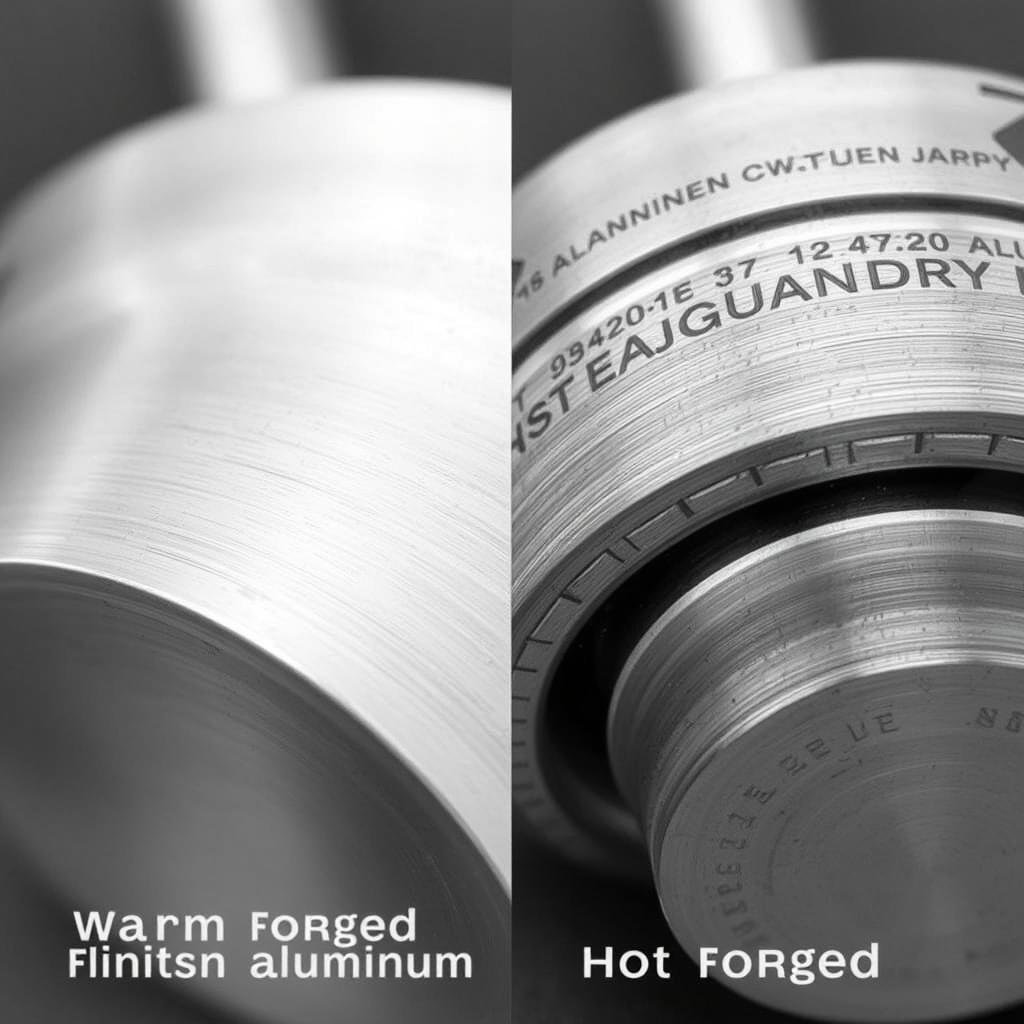
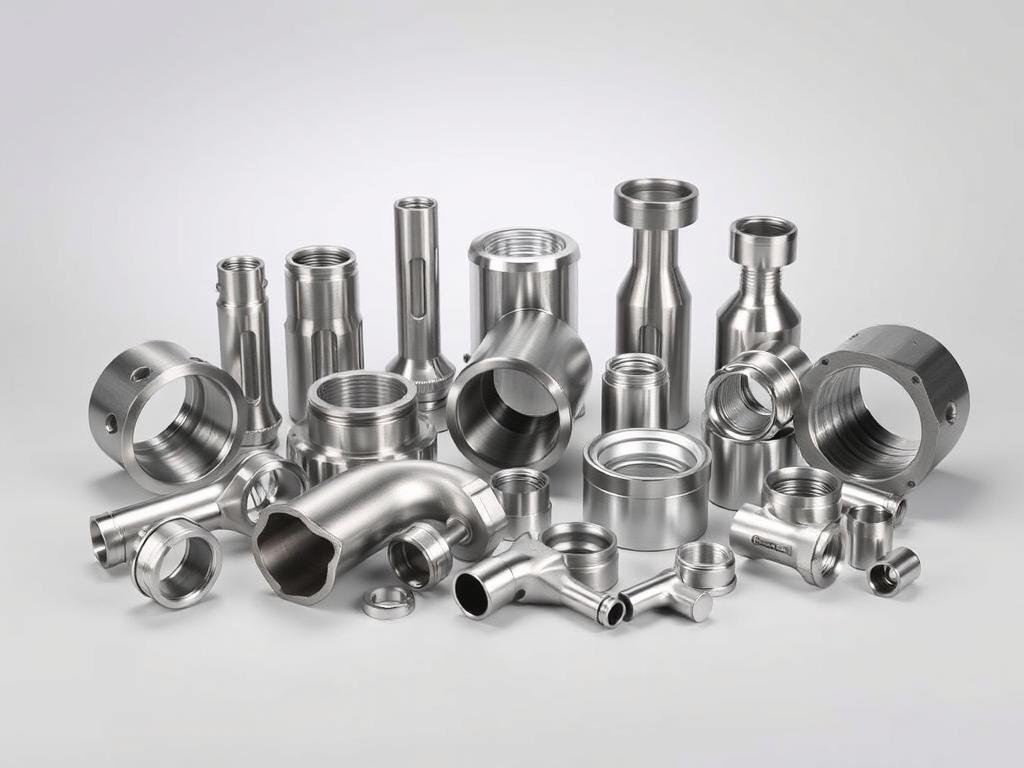
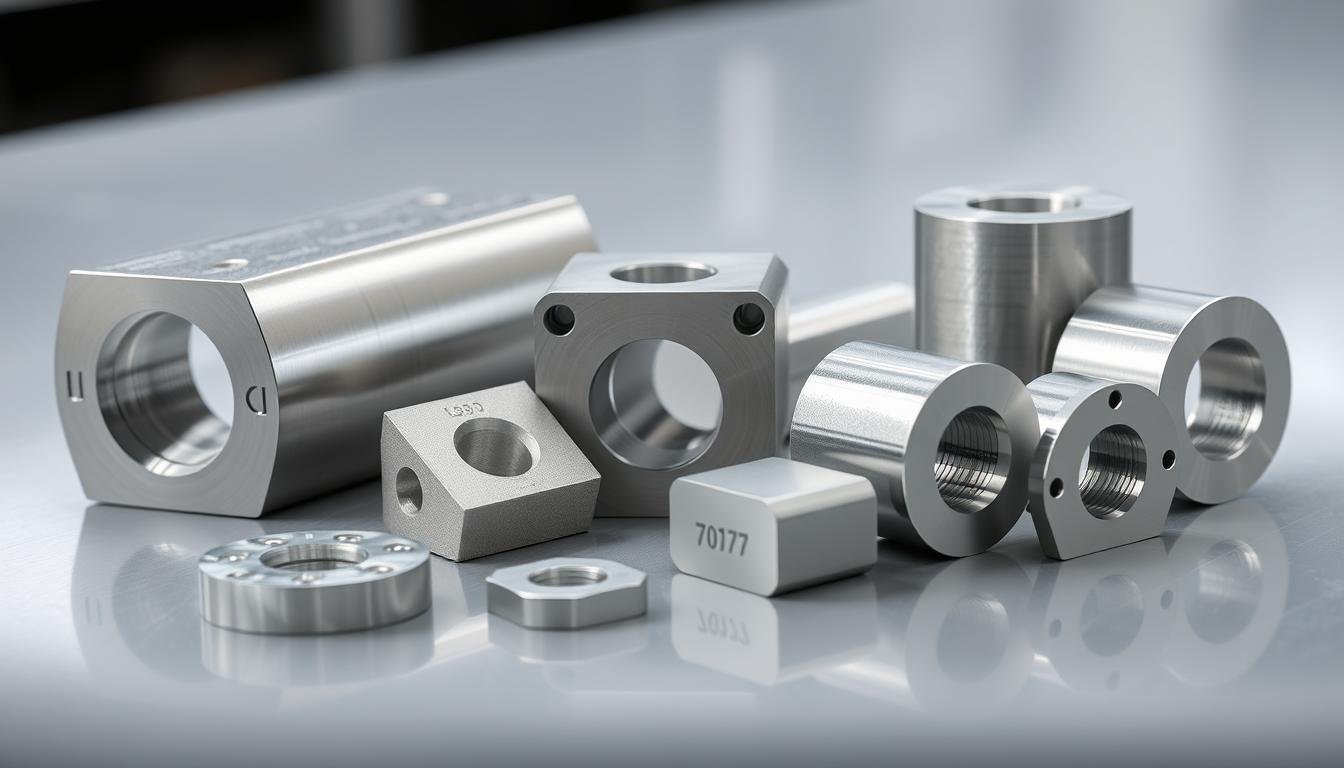
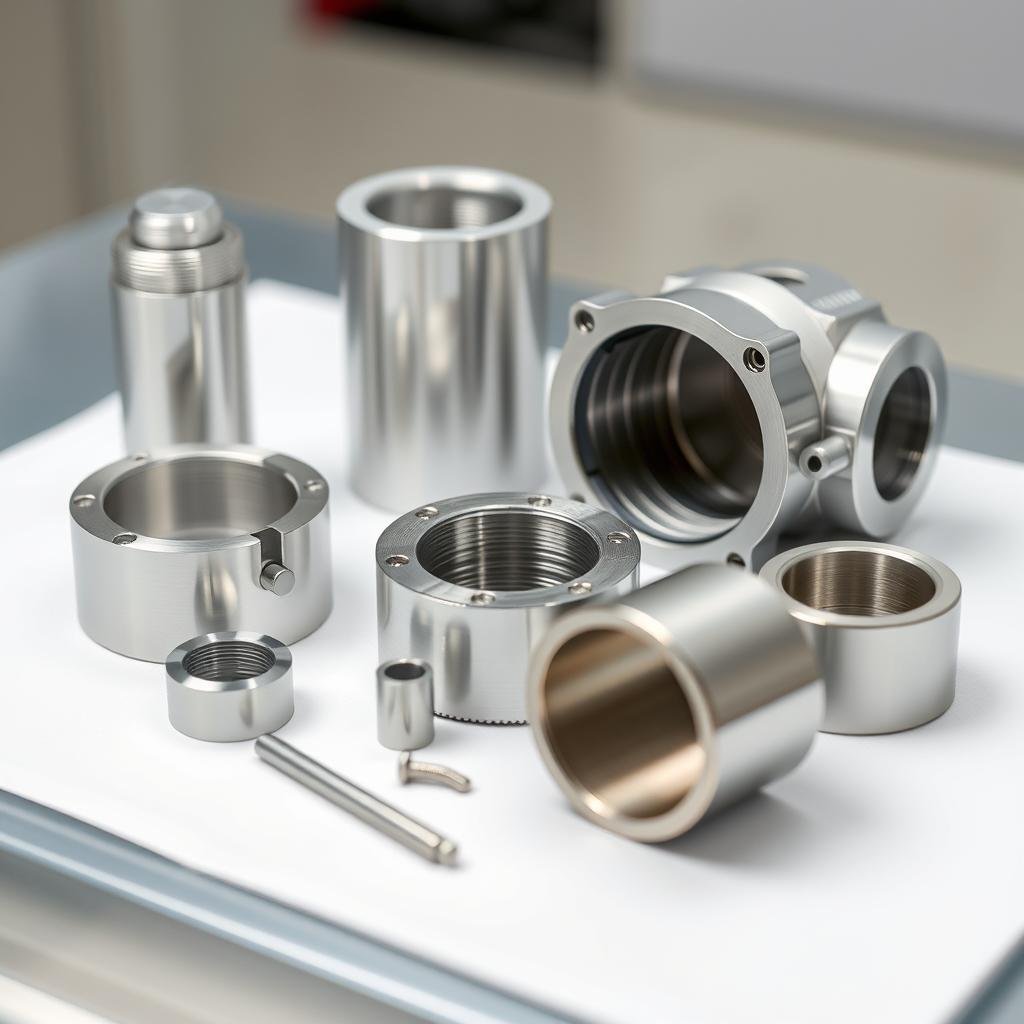
Understanding the distinctions between hot, warm, and Cold Aluminum Forging processes is crucial for selecting the optimal manufacturing method for your specific application. Each technique offers unique advantages in terms of material properties, dimensional accuracy, and cost-effectiveness. At MAIKONG, we specialize in all three aluminum forging processes, providing comprehensive solutions tailored to your precise requirements. This guide explores the technical differences, applications, and benefits of each forging method to help you make informed decisions for your next project.
What is Aluminum Forging?
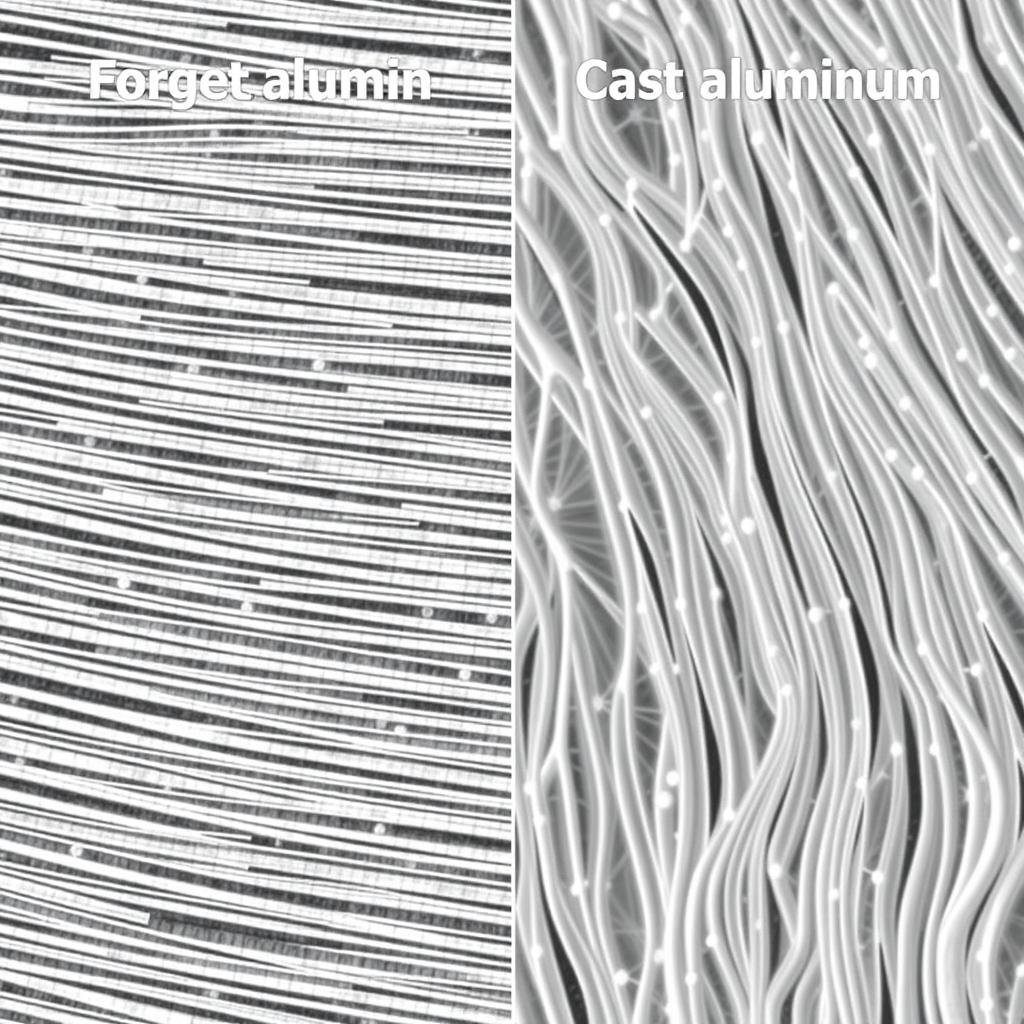
Aluminum forging is a metal-forming process that shapes aluminum alloys by applying compressive forces. Unlike casting or machining, forging significantly enhances the mechanical properties of the material by aligning its grain structure in the direction of metal flow. This results in superior strength, improved fatigue resistance, and enhanced structural integrity compared to other manufacturing methods.
The forging process involves deforming a piece of aluminum under controlled pressure and temperature conditions. Depending on the temperature at which the process occurs, aluminum forging is classified into three main categories: hot forging, warm forging, and Cold Aluminum Forging. Each method offers distinct advantages and is suitable for different applications based on factors such as part complexity, required mechanical properties, and production volume.
Why Choose Forged Aluminum?
- Superior strength-to-weight ratio
- Enhanced mechanical properties
- Improved grain structure and flow
- Better fatigue resistance
- Higher impact resistance
- Reduced material waste
- Excellent dimensional stability
Hot Aluminum Forging Process
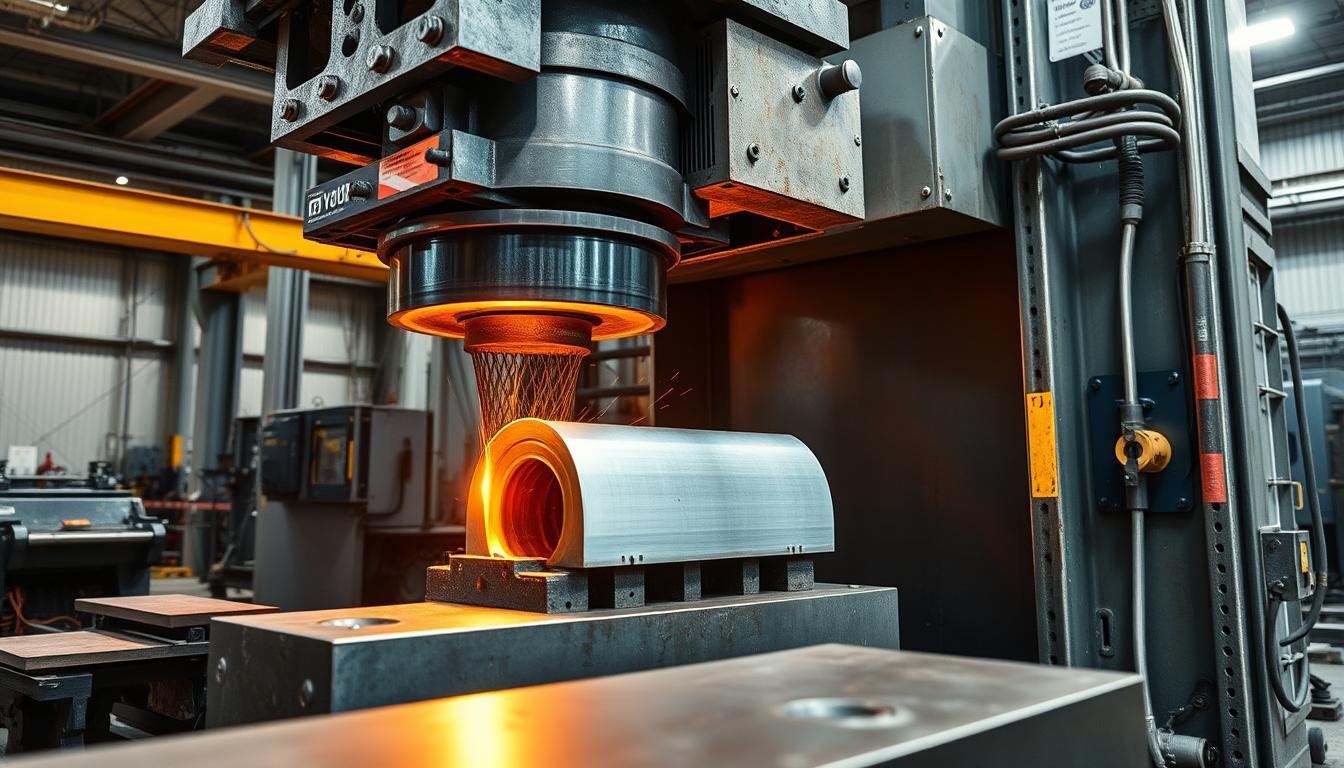
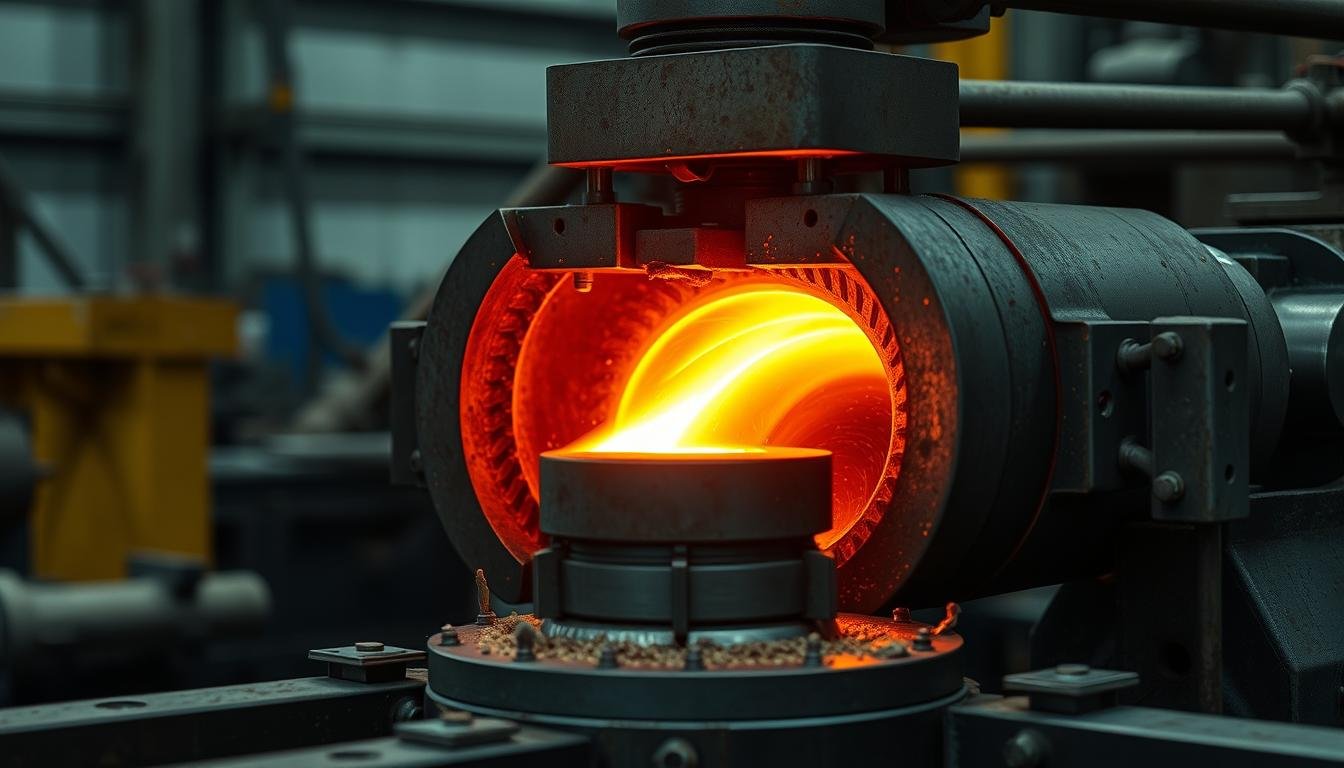
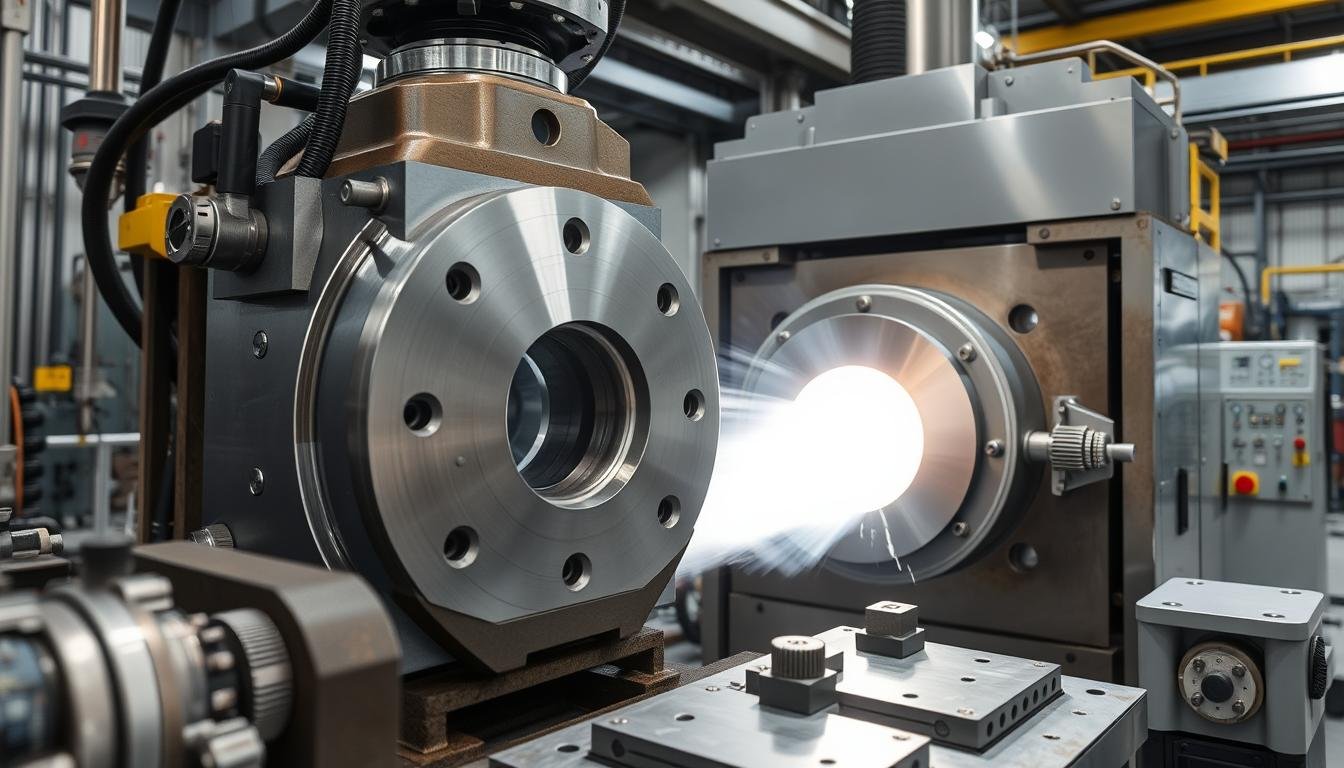
Hot aluminum forging takes place at temperatures above the material’s recrystallization point, typically between 750°F and 950°F (400°C to 510°C) for most aluminum alloys. At these elevated temperatures, aluminum becomes highly malleable, allowing for significant deformation with relatively low force requirements.
Hot Forging Process Steps
- Heating the aluminum billet to 750-950°F (400-510°C)
- Transferring the heated billet to the forging press
- Applying pressure through dies to shape the material
- Controlled cooling to stabilize the material structure
- Secondary operations (trimming, heat treatment, etc.)
Advantages of Hot Aluminum Forging
Advantages
- Excellent material flow and formability
- Lower force requirements
- Ability to create complex geometries
- Reduced internal stresses
- Improved homogeneity in material structure
Limitations
- Lower dimensional accuracy
- Surface oxidation requiring cleaning
- Higher energy consumption
- Shorter die life due to thermal cycling
- Additional cooling time required
Common Applications for Hot Forged Aluminum
Hot aluminum forging is particularly well-suited for applications requiring complex geometries and exceptional strength. Common applications include:
- Aerospace structural components
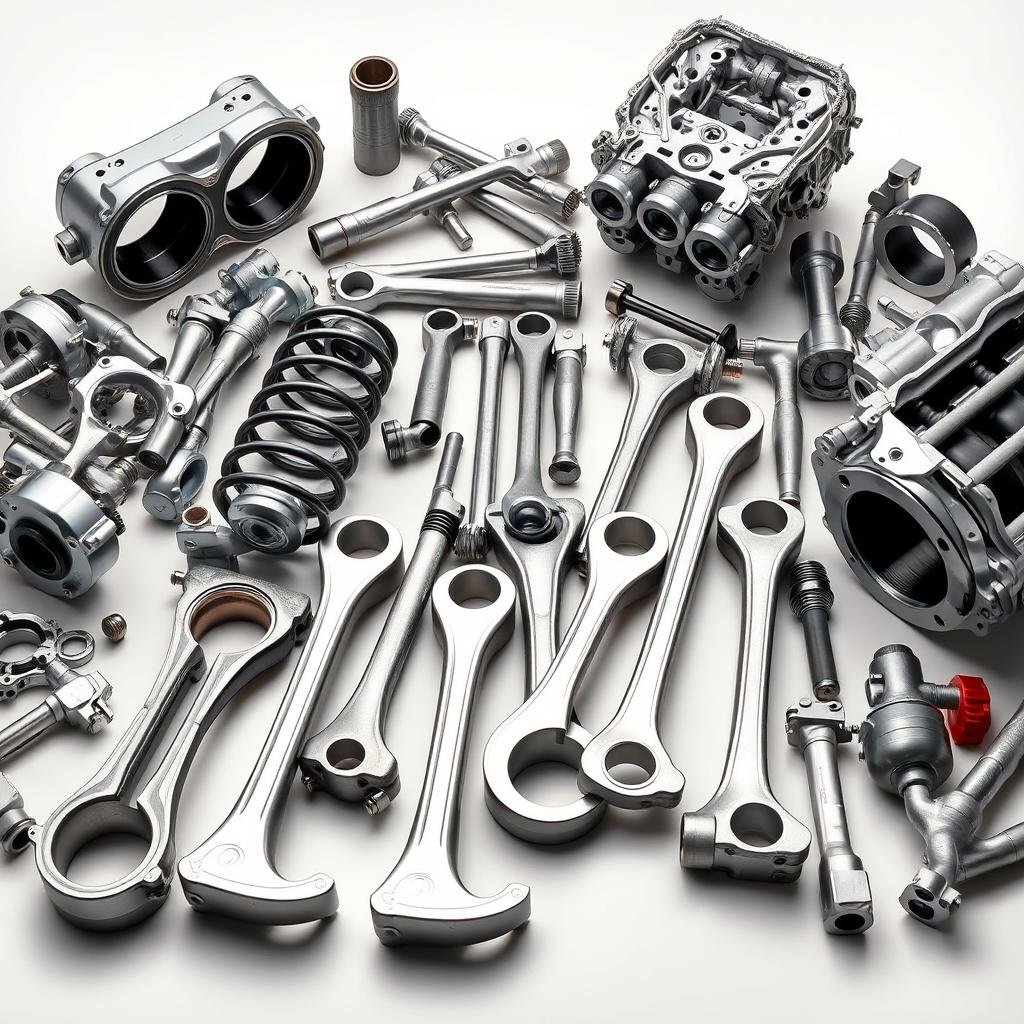
- Automotive suspension parts
- Large industrial equipment components
- Marine propellers and hardware
- Heavy-duty mechanical components
Warm Aluminum Forging Process
Warm aluminum forging represents a middle ground between hot and cold forging processes. It occurs at temperatures between 200°F and 750°F (93°C to 400°C), which is above room temperature but below the full recrystallization temperature of aluminum alloys.
Warm Forging Process Characteristics
Warm forging combines some of the advantages of both hot and cold forging while mitigating certain limitations. The moderate temperature range allows for better formability than cold forging while providing improved precision compared to hot forging. This makes warm forging an excellent compromise for many applications.
Advantages of Warm Aluminum Forging
- Better dimensional accuracy than hot forging
- Improved surface finish compared to hot forging
- Lower energy consumption than hot forging
- Better formability than cold forging
- Reduced tooling stress compared to cold forging
- Moderate die wear rates
Typical Applications for Warm Forged Aluminum
Warm aluminum forging is ideal for applications requiring a balance between formability and precision. Common applications include:
- Automotive connecting rods and pistons
- Bicycle components and frames
- Power transmission components
- Valve bodies and housings
- Medical device components
Need Expert Guidance on Aluminum Forging?
Our technical team can help determine whether hot, warm, or cold forging is optimal for your specific application. Contact us today for a consultation.
Contact Our Experts
Cold Aluminum Forging Process
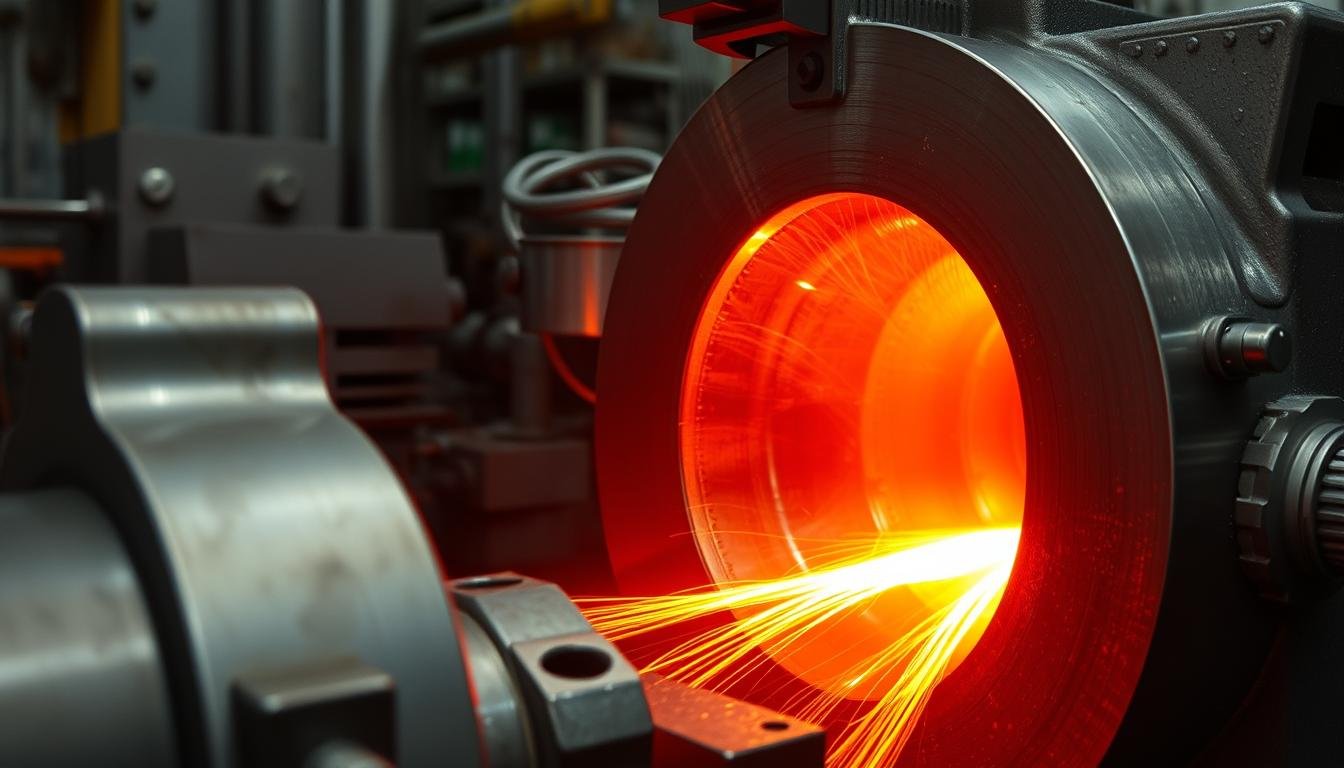
Cold Aluminum Forging is performed at room temperature or slightly above, typically below 200°F (93°C). This process involves applying significant pressure to shape aluminum without first heating it to its recrystallization temperature. The absence of heating results in distinctive material properties and manufacturing advantages.
Cold Aluminum Forging Process Steps
- Applying lubricant to the aluminum workpiece
- Positioning the workpiece between precision dies
- Applying high pressure to deform the material
- Removing the forged part from the dies
- Trimming excess material (if necessary)
- Stress relieving through controlled heat treatment (optional)
Key Benefits of Cold Aluminum Forging
Advantages
- Superior dimensional accuracy and tolerances
- Excellent surface finish requiring minimal post-processing
- Enhanced mechanical properties through work hardening
- No oxidation or scaling issues
- Reduced energy consumption (no heating required)
- Longer die life compared to hot forging
Limitations
- Higher force requirements
- Limited complexity of shapes
- Potential for work hardening requiring annealing
- More expensive tooling requirements
- Limited to certain aluminum alloys
Ideal Applications for Cold Aluminum Forging
Cold Aluminum Forging excels in applications requiring precision, superior surface finish, and enhanced mechanical properties. Common applications include:
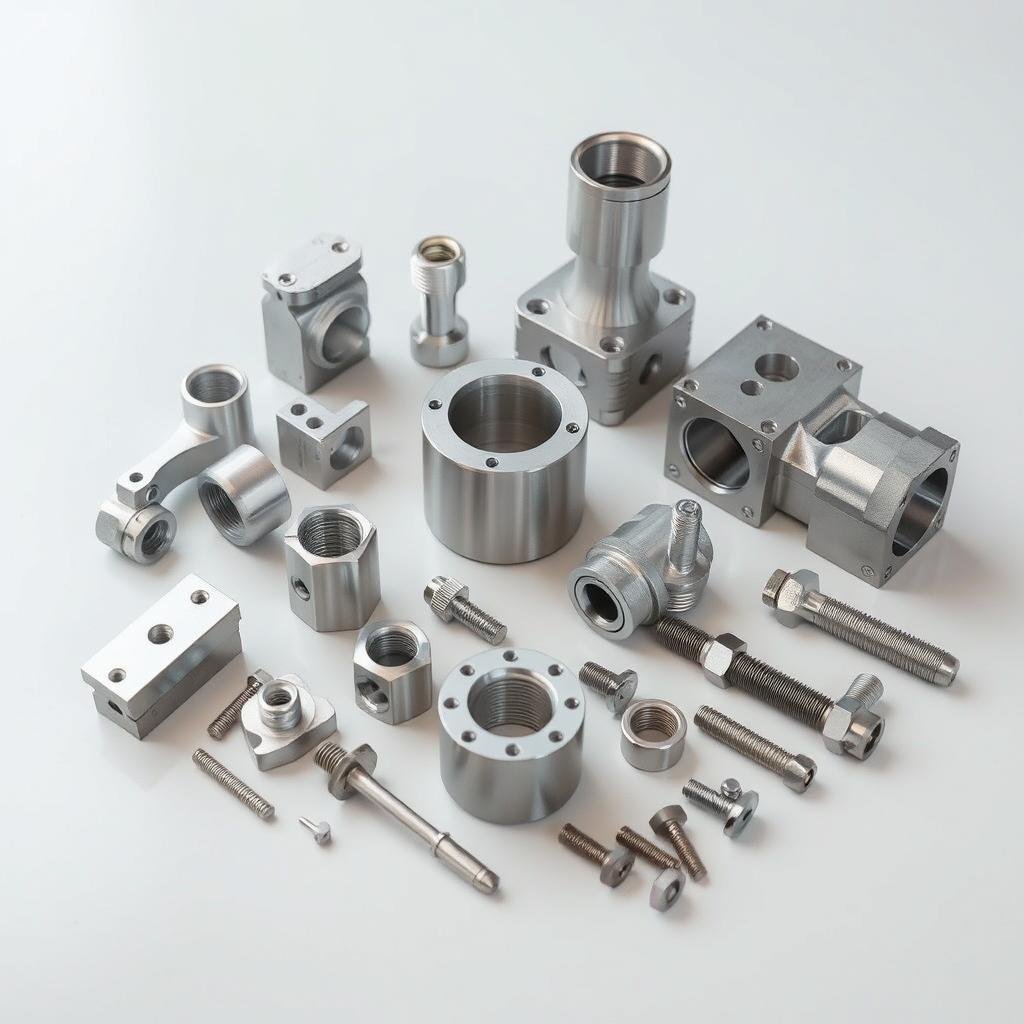
- Precision automotive components
- Electronic housings and connectors
- Aerospace fasteners and fittings
- High-performance sporting goods
- Medical instruments and implants
- Consumer electronics components
Comparative Analysis: Hot vs. Warm vs. Cold Aluminum Forging
When selecting the optimal aluminum forging process for your application, it’s essential to understand the key differences between hot, warm, and Cold Aluminum Forging techniques. The following comparison highlights the critical factors to consider when making this important decision.
| Characteristic |
Hot Forging |
Warm Forging |
Cold Aluminum Forging |
| Working Temperature |
750-950°F (400-510°C) |
200-750°F (93-400°C) |
Room temperature to 200°F (93°C) |
| Dimensional Accuracy |
Moderate |
Good |
Excellent |
| Surface Finish |
Requires post-processing |
Good |
Excellent |
| Material Flow |
Excellent |
Good |
Limited |
| Complexity of Shapes |
Complex geometries possible |
Moderate complexity |
Simpler geometries |
| Force Requirements |
Low |
Moderate |
High |
| Energy Consumption |
High |
Moderate |
Low |
| Die Life |
Shorter |
Moderate |
Longer |
| Mechanical Properties |
Good strength, high ductility |
Balanced properties |
High strength, work hardened |
Material Selection for Different Forging Processes
The choice of aluminum alloy significantly impacts the success of your forging process. Different alloys respond differently to various forging temperatures:
Common Alloys for Hot Forging:
- 2014 (Al-Cu-Mg-Si)
- 2024 (Al-Cu-Mg)
- 7050 (Al-Zn-Mg-Cu-Zr)
- 7075 (Al-Zn-Mg-Cu)
Common Alloys for Cold Aluminum Forging:
- 1100 (commercially pure aluminum)
- 3003 (Al-Mn)
- 5052 (Al-Mg)
- 6061 (Al-Mg-Si)
- 6063 (Al-Mg-Si)
MAIKONG’s Comprehensive Aluminum Forging Capabilities
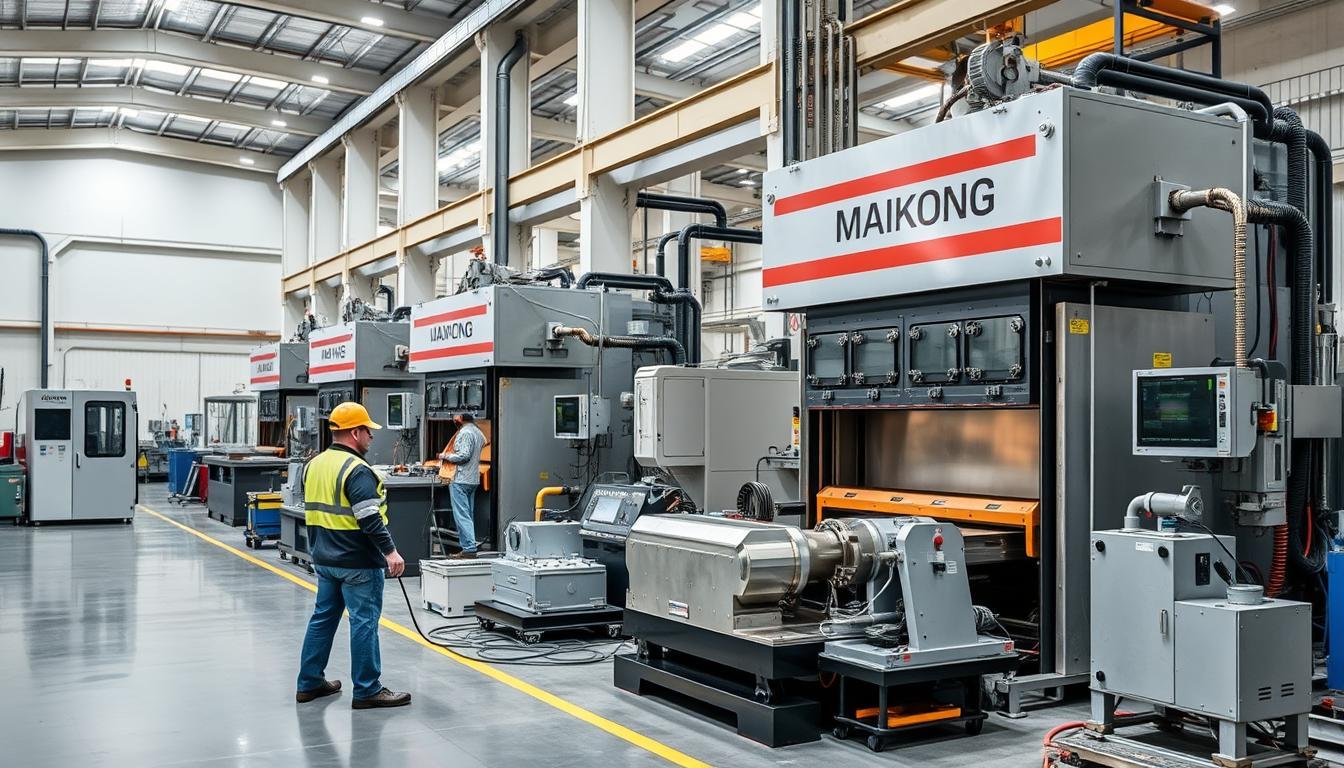
At MAIKONG, we offer complete aluminum forging solutions, specializing in hot, warm, and Cold Aluminum Forging processes. Our state-of-the-art facility in GD, SZ is equipped with advanced machinery and staffed by experienced engineers to deliver exceptional quality forged components for diverse industries.
Our Full-Service Aluminum Forging Process
Design & Engineering
Our engineering team utilizes advanced CAD/CAM software to optimize designs for manufacturability and performance. We conduct finite element analysis to predict material behavior and ensure optimal results.
Material Selection
We help select the ideal aluminum alloy based on your application requirements, considering mechanical properties, machinability, heat treatment characteristics, and cost-effectiveness.
Tooling Design
Our precision tooling ensures initial quality and consistency throughout production. Regular maintenance preserves die performance for producing high-quality forgings.
Forging Process
Our workshop accommodates diverse aluminum forging specifications, from hot forging for complex geometries to Cold Aluminum Forging for precision components.
Heat Treatment
In-house heat treatment capabilities with comprehensive statistical analysis and documentation ensure consistent material properties and performance.
Precision Machining
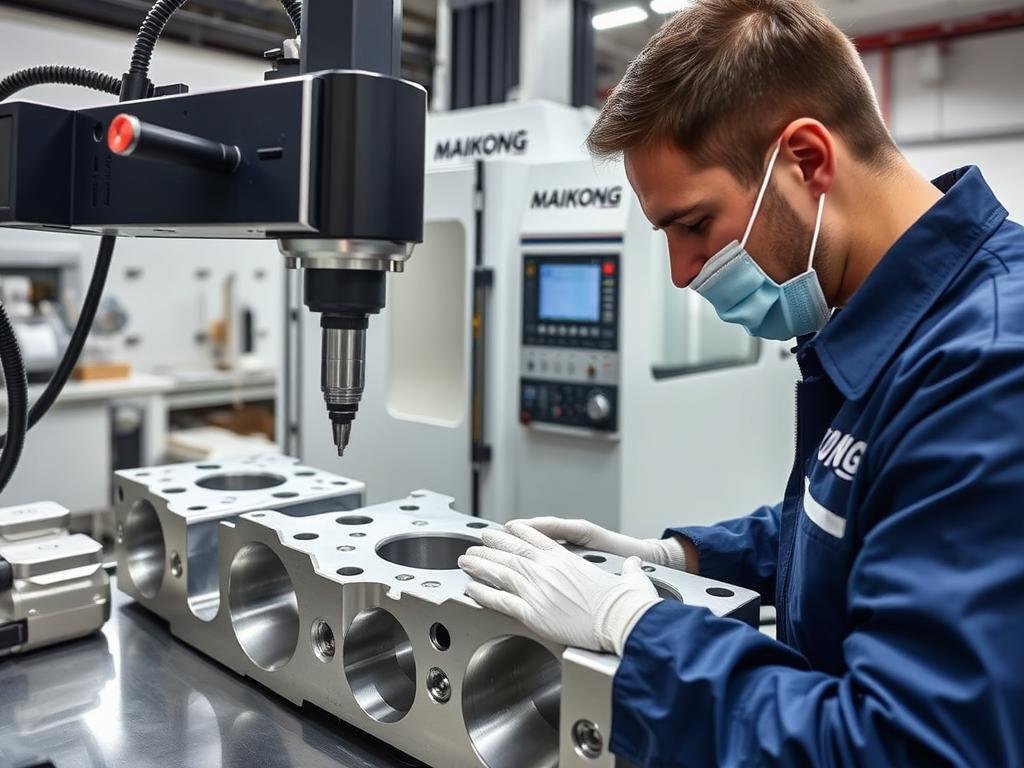
Our state-of-the-art CNC machines perform precise secondary operations on forged components to achieve tight tolerances and complex features.
Quality Assurance at MAIKONG
Quality is at the core of everything we do at MAIKONG. Our comprehensive quality control procedures ensure that every forged component meets the most stringent standards:
- ISO 9001:2015 certified quality management system
- Comprehensive material testing and verification
- Advanced dimensional inspection using CMM technology
- Non-destructive testing capabilities
- 100% visual inspection of all components
- Detailed documentation and traceability
Industries Served by MAIKONG’s Aluminum Forging Solutions
Our expertise in hot, warm, and Cold Aluminum Forging processes allows us to serve diverse industries with precision components that meet the most demanding requirements.
Automotive
- Suspension components
- Engine parts
- Transmission components
- Structural elements
Aerospace
- Structural components
- Landing gear parts
- Engine mounts
- Fastening systems
Medical
- Surgical instruments
- Implant components
- Medical device housings
- Equipment structures
Additional industries we serve include electronics, marine, sporting goods, industrial equipment, and consumer products. Our versatile aluminum forging capabilities can be tailored to meet the specific requirements of virtually any application.